Buyer guide · Where the work is done
What an export partner actually does for a buyer
An order placed in China is really two jobs running at once: one makes the goods, and one gets the right goods to your warehouse in good order. Read as a single task, that pair is one of the most common reasons a first order goes wrong. This is what each side is actually responsible for — and what the extra professional step in the middle is buying you.
- 2014buying in Yiwu, China since
- 10+years in Yiwu, China
- 7offices worldwide
- 09285183Neshat Trade Ltd, company no.
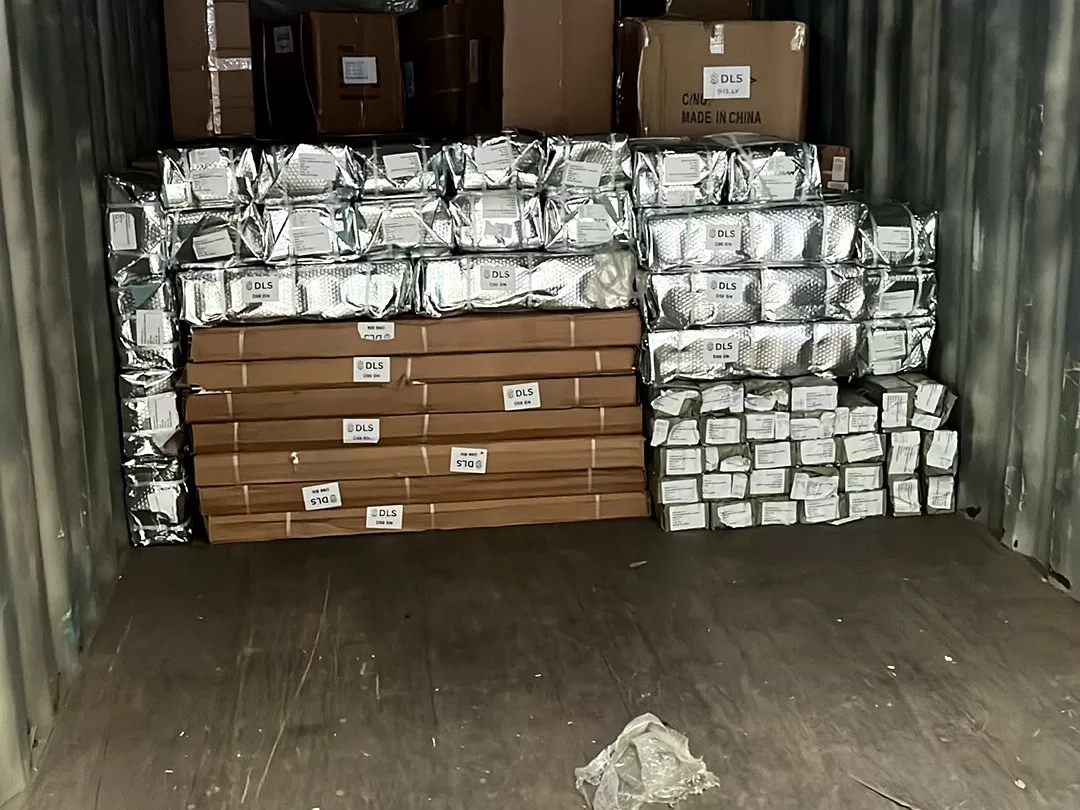
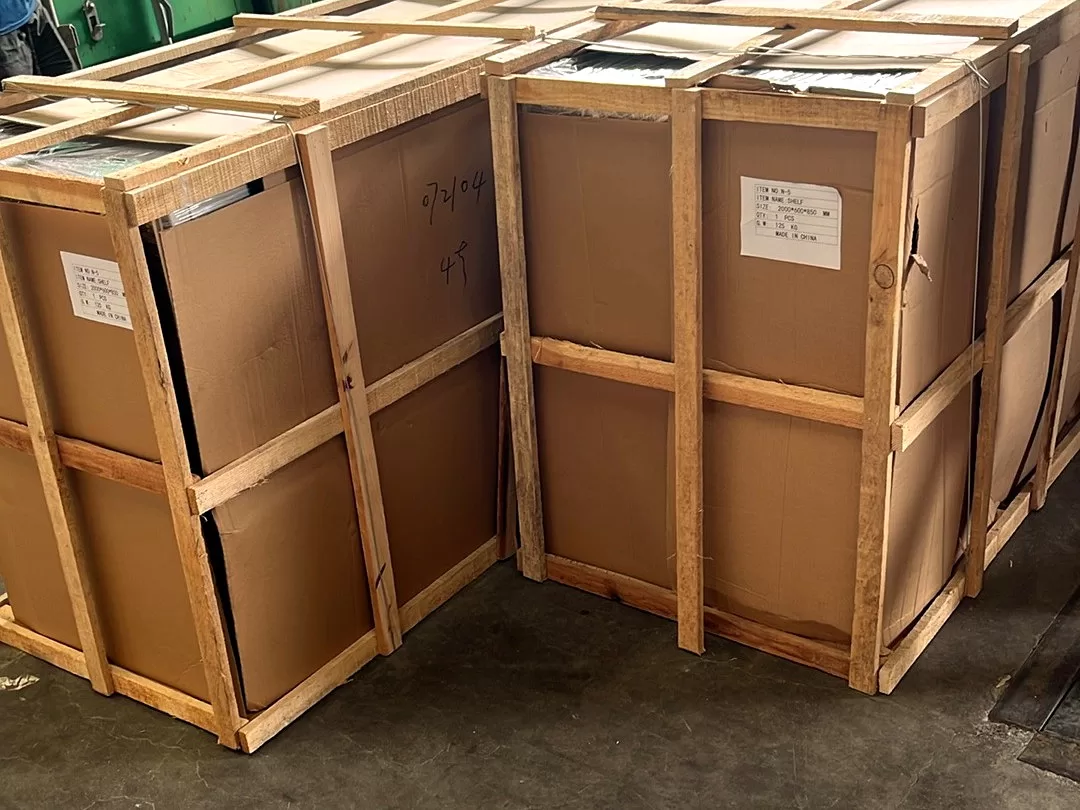
Our own warehouse in Yiwu: the point where a written specification becomes a loaded container.
Why one order feels like one job
Manufacturing and getting it to you are not the same work
A unit price and a delivery date make the whole thing look simple: one product, one figure, one party answerable for everything. In practice an order divides into two quite different kinds of work. One is making the product — a factory’s strength, and a demanding job in its own right. The other is everything between your enquiry and the container arriving at your port: the specification, the sampling, the quality checks, the paperwork, the packing and the route home.
When both are treated as one task, the gaps open quietly. A specification no one wrote down. A packing detail no one confirmed. A document that is missing only once the goods reach customs. None of this is a factory being careless; it is that two sets of skills are involved, and a well-run order uses both. See the services behind an order →
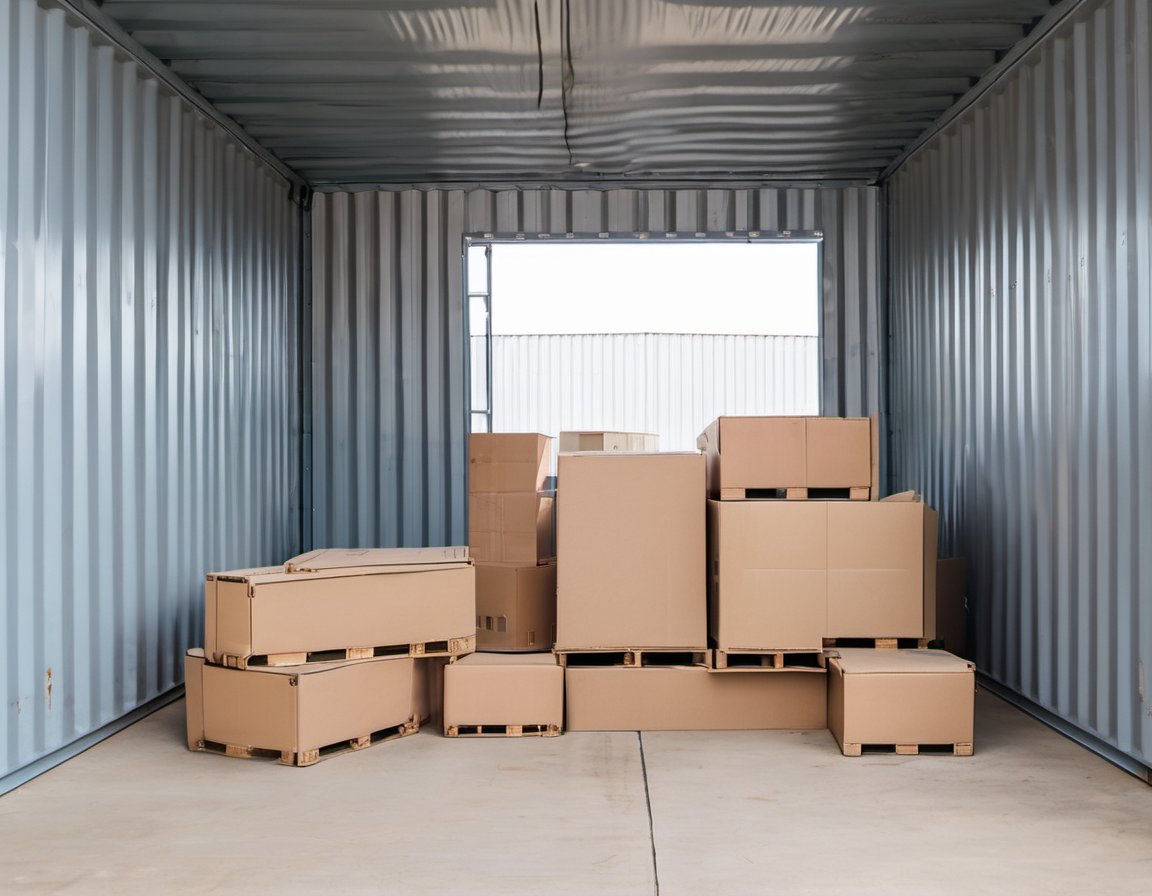
Two kinds of work, one order
What each side is actually responsible for
It helps to picture the order as two columns rather than one list. Neither column replaces the other, and an order needs both to land well.
The maker’s work
Material, machine and tolerance; holding to a specification across a full production run rather than in a single sample; output and consistency; and finishing the goods on the line when promised. This is where the product is created, and it rewards depth of focus. A factory asked to spend its day on the buyer’s side of the border is being asked to be something it is not built to be.
The export partner’s work
Reading what your market needs, matching the product to factories that genuinely make it, turning a rough brief into a written specification, following quality at the factory, preparing the documents, packing and loading for the journey, and keeping you informed from the first reply to the last carton. This is where an order is held together — the layer that sits between your brief and someone else’s production line.
It is a division of labour, not a contest. The factory makes the product well; the export partner makes sure the right product, correctly documented and packed, reaches you.
The work in detail
What the export layer actually involves
Seven things happen between an enquiry and a container at your port. Each one is easy to skip and expensive to skip badly, which is precisely why a professional layer exists to carry them.
- Clarifying the enquiryA rough request — something like this, about this many, for this market — becomes a written specification: materials, size, finish, packing, labelling and the market rules that apply. Most disagreements later trace back to a line that was never written here.
- Sourcing and comparingMatching the product to factories that actually make it, and comparing them on the same written specification rather than the headline price. The differences between the replies usually sit in the material, the packing or the tolerance. How we research and select suppliers →
- Sampling and confirmationGetting a physical sample agreed and signed off before bulk production, so that what is made matches what was imagined — and so that both sides are describing the same product when they talk about price.
- Price, terms and the orderBuilding a quotation from your side of the border, landed cost rather than factory-gate price, and setting the terms in writing before production starts. How we build a quotation →
- Quality follow-up and inspectionChecking at the factory while the goods can still be corrected, not in your warehouse after the container has arrived. What is caught before packing is a repair; what is caught afterwards is a shipment. How we follow quality →
- Documentation and complianceCommercial invoices, packing lists, certificates of origin and whatever else your market requires to clear the goods. A document that is missing or wrong stops a container just as surely as a defect does. How we handle compliance risk →
- Packing, loading and the route homeCartons and pallets built for the journey, the container loaded and sealed, freight arranged and the arrival co-ordinated. This is the stage where several small decisions decide your landed cost. How we follow an order through →
What the extra step buys
Why a professional layer is not wasted money
An export partner is not a toll booth between you and the factory. The value sits in a few specific things that are hard to do yourself from another country, and easy to underestimate until one of them fails.
Faults caught early
A defect found at the factory costs a repair. The same defect found in your warehouse costs a container and a season. Following an order in person is what moves the discovery to the cheaper side of the shipment.
One point of contact
Instead of chasing a factory across a time zone, a language and a working week, you have one party who answers for the specification, the timeline and the paperwork — and who is on the ground when a decision has to be made that day.
Documents done right
Clearing goods needs the paperwork to match the shipment exactly. Preparing it against the real specification, rather than after the fact, is the difference between a smooth arrival and a container sitting at the port accruing charges.
Before the order is placed
What to have agreed
Whichever route you take — a factory directly or an export partner — an order that lands well usually had these six things settled before production started rather than after.
- Who your single point of contact is
- Which factory, and on what written specification
- How quality will be checked, and at what stage
- Who prepares which documents
- How the goods will be packed and loaded
- How you will be updated while the order runs
The clearer these are at the start, the less there is to resolve at the port. See our buyer resources →
Common questions
Questions buyers ask about the export layer
If I work with an export partner, does the factory still make my goods?
Yes. The partner does not replace the factory. The factory makes the product; the partner co-ordinates the parts of the order that sit on your side of the border — specification, quality, documents, packing, freight and communication — so the two work together rather than one standing in for the other. Your goods are still made by a maker, and that is as it should be.
Do I pay more for using a partner?
An export partner earns a commission, agreed in writing before the work begins and charged per order. It covers the co-ordination you would otherwise do yourself: chasing the specification, following the factory, preparing documents and standing behind the shipment. Whether that is worth it depends on how much of that work you would rather not carry — work that is difficult to do well from four thousand miles away.
What happens if something is wrong with the goods?
The purpose of following quality at the factory is to find a problem while it can still be fixed there, before the goods are packed. Where something is found late, we work it through with the factory and tell you plainly what it means for your order, rather than leave you to discover it after arrival. We would rather raise an issue early than deliver a surprise.
Can a partner handle only part of my order?
Yes. Some buyers use a partner for everything from sourcing to arrival; others already have a supplier and need only inspection, documentation, consolidation or freight. The questions are the same in either case, because they are about the order rather than about who makes it.
Buying your first container? Two companion guides in this series: How to really understand a product before you import it, and what a good supplier asks you before quoting.
Related reading
More buyer guides in this series
Companion guides for buyers working through a first order or a new range:
- What a good supplier asks you before quoting
- How to really understand a product before you import it
- Why many overseas buyers work with a sourcing partner
- What happens after you send an enquiry
- The person behind your order: what to look for in an export contact
See all buyer guides →
Tell us what you are buying next
Send the product, the quantity and your destination. You get factory options, a landed-cost view and a timeline — free.