Buyer guides · Sourcing
How to really understand a product before you import it
A catalogue photo and a unit price tell you very little about what will actually arrive in your warehouse. This is the order in which we get to know a product before we quote it — the same order you can follow on your own sourcing, so the decision rests on facts rather than a flattering sample.
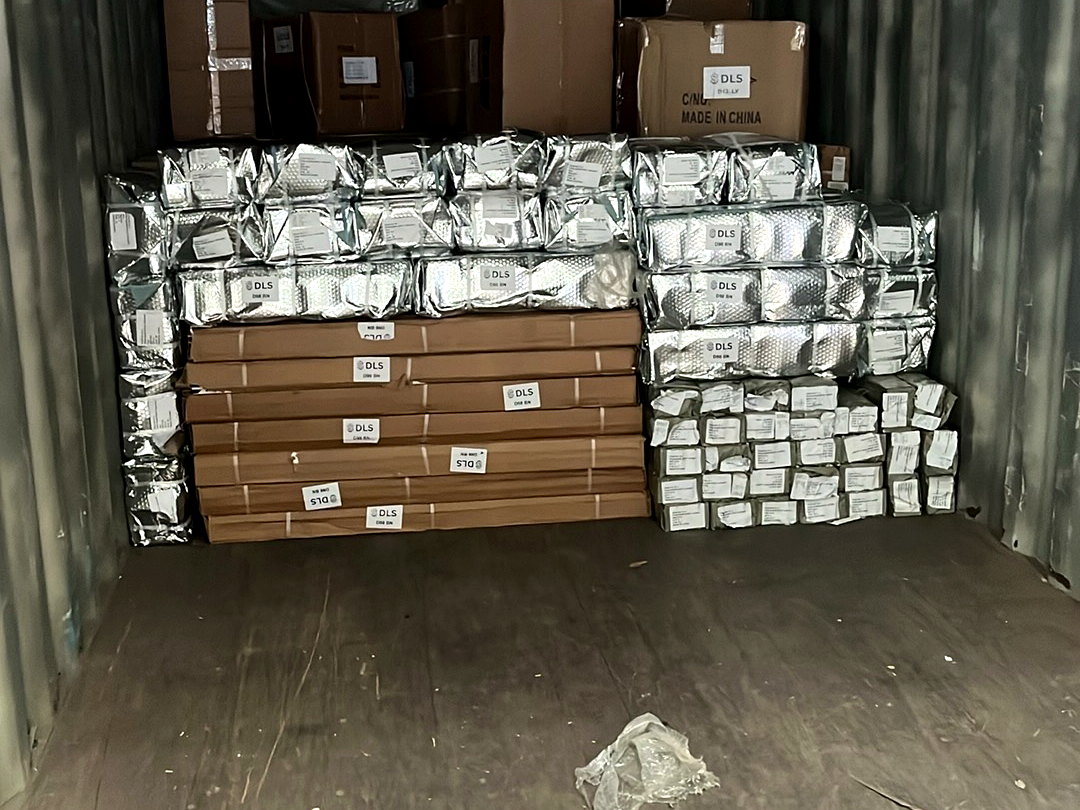
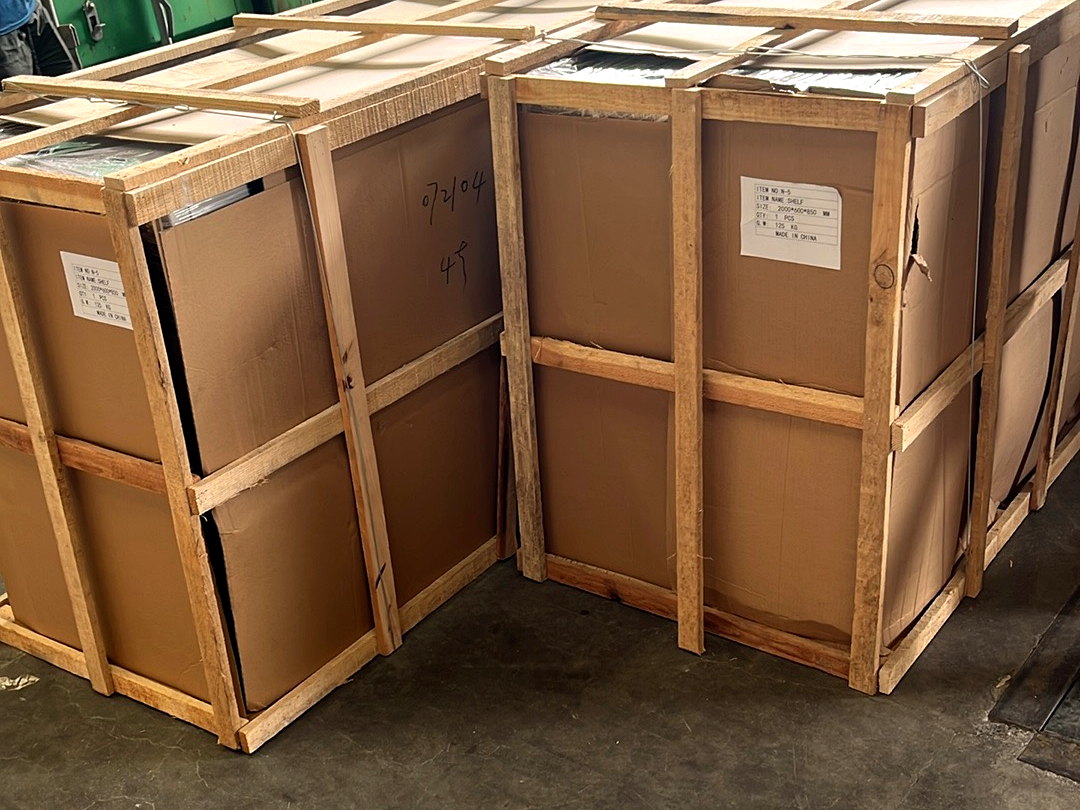
Our own warehouse in Yiwu: where a specification stops being a description and becomes a shipment.
Why this matters
A product is easy to see and hard to read
Most importers do not lose money on the headline price. They lose it on the specification that was never pinned down, the material that was assumed rather than confirmed, or the packing that only made sense on paper. A product has layers: what it is made of, how it is made, what it costs, how it performs, how much can be made and how it is packed. Getting to know it means working through those layers in a fixed order rather than admiring the finish.

The overview
Six layers of any product
Whichever category you are buying, the questions fall into the same six groups. The order matters: each layer changes how you read the next, and the price only makes sense once you understand what is behind it.
Materials
Which grade, and what that grade does and does not tolerate. Two products can look identical and behave nothing alike in use.
Production
How it is made, on which machines, and where the process is most likely to fail. This is where most defects are born.
Cost
The true make-up of the price — material, labour, energy, packing, waste — not just the figure at the factory gate.
Performance
What it does under real conditions, tested the way your customer will use it rather than the way a sample sheet describes it.
Output and packing
How much can be made, how fast, and how it is packed for your market — the details that decide your landed cost.
Price in the market
What the product sells for once it reaches the shelf, read from your side of the border rather than ours.
Step one
Start with what it is actually made of
Every grade of a material behaves differently, and the difference shows up in the finished goods. So the first questions are about the material itself: which grade is this, what are its physical limits, how does it hold up in use, and is there anything in it that a buyer in your market would not accept. We take the answer from the factory rather than a directory listing, then have it confirmed against the sample. Material prices move, and that movement flows into your quote, so when a raw material is heading up you hear it early enough to act.
When a brief does not fit the material it names, we say so rather than quietly quoting something else: if the target price only works in a lower grade, you get the comparison, not a silent substitution. How we research and select suppliers →
Step two
Understand how it is made
Almost everything is machine-made, and every process has its weak points. Knowing them tells you what can go wrong before it does: which parts wear, which steps are hard to hold to a tolerance, and which faults only appear after a long run. It also tells you what can be changed and what cannot. When a buyer asks whether a product can be modified, a firm yes or no with a reason is worth more than a quick promise that later has to be withdrawn. None of this is the buyer’s job to master alone, but a buyer who understands the basics can tell whether a quotation is plausible for the process described.
Step three
Know the true cost, not just the quoted price
A factory price is the sum of things you cannot see: the material, the labour on the line, the energy, the packing, the waste and the overheads behind all of it. Where a price looks too low to be real, it is usually one of those costs left out rather than a generous supplier. For you the useful habit is comparison, not negotiation: ask two or three suppliers for the same written specification and watch where the answers diverge. The gaps point at the material, the packing or the tolerance — the things worth settling before an order is placed.
Step four
Test performance the way your customer will use it
A product is bought to be used, so judge it that way. If you can try it yourself, try it. If it is going to a market with conditions you have never experienced, find out what they are and test against them, rather than assuming a sample that works in one place will work in another. The most reliable information often comes from the field, months after delivery, so a short follow-up with your buyer some weeks after the goods arrive is worth more than another round of catalogues. It also pays to compare against the competition on the same product, because the goods are often broadly alike and the difference sits in a detail. What we check before shipping →
Step five
Output, specifications and packing
How much can be produced, and how quickly, decides whether a good product is actually available when you need it. A stated capacity is a starting point, not a fact: it is worth measuring against a real run. Specifications and packing change with the market, and this is where one product quietly becomes two. The size, the labelling, the language on the pack and the way it is stacked all shift from one destination to the next. We keep a record of how each client’s market expects a product to be specified and packed, and confirm the details in writing before production. How we follow an order through →
Step six
Read the price from your side of the border
A product’s cost is not the price at which it leaves China; it is the price at which it lands in your warehouse, and that is always higher than the CIF figure. Between the two sit import duty, value added tax, any agent fees, the charges at the port of arrival and the inland freight to your premises. Those rates are set by your own market and change with it, so we treat them as quotation-specific rather than fixed, and put the working in front of you. From there it helps to look up the shelf: the retail prices your buyers actually pay show what margin has to live between your landed cost and your selling price. Do that early, and you will know whether a product can carry the journey.
And one more
The second life of a product
Once you understand a product properly, you begin to see what else it could be. A change of appearance, a different use, a new group of buyers — the same goods can often reach a market they were never designed for. It grows out of the six layers above, and it is often where the best margin sits, because a product with a new purpose competes with fewer alternatives.
Before you commit
A short checklist for any product
- The grade of every material, confirmed against a sample
- The process, and where it is most likely to fail
- The true make-up of the price, not just the figure
- Performance under the conditions your market will use it in
- Capacity, specification and packing for your destination
- The landed cost, and the price it can sell for on the shelf
Six questions, asked in order, will tell you more about a product than a season of catalogues. We ask them on every brief we take on. Knowing the product is half of it; the other half is the brief you send with it — What a good supplier asks you before quoting →

Common questions
What buyers ask about getting to know a product
Can I just rely on the specification sheet the factory gives me?
Use it as a starting point, not the final word. A specification sheet describes what a product is meant to be; a sample and a set of questions describe what it actually is. We confirm the important details against the sample and, where it matters, against a test run.
What if the product I want does not exist yet?
That is a normal brief rather than a problem. Tell us what the product has to do and the market it is for, and we will find out what can be altered, what cannot, and what it would cost — then come back with the options rather than a single guess.
How do I compare two suppliers on the same product?
Give both the same written specification, then compare the replies line by line rather than at the headline price. Where the answers differ, the difference is usually the material, the packing or the tolerance. How we research suppliers →
Related reading
More buyer guides in this series
Companion guides for buyers working through a first order or a new range:
Related guide: What an export partner actually does for a buyer →
See all buyer guides →
Tell us what you are buying next
Send the product, the quantity and your destination. You get supplier options, a landed cost and a timeline — free.