Buyer guide · Before the first quote
What a good supplier asks you before quoting
A quotation is only as good as the brief behind it. When a supplier skips the questions and quotes anyway, you get a number you cannot act on and a week lost to revisions. Here is what we ask before we put a price on paper — and why each question protects your order rather than delaying it.
- 2014buying in Yiwu, China since
- 10+years in Yiwu, China
- 7offices worldwide
- 09285183Neshat Trade Ltd, company no.

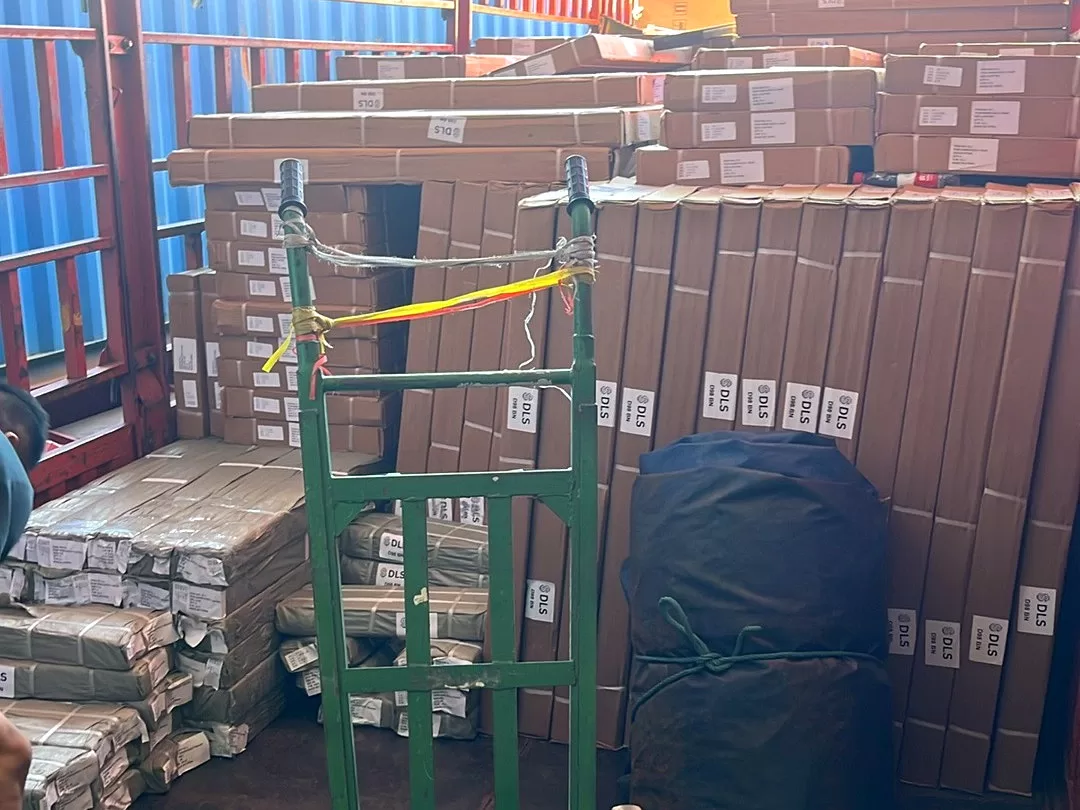
Our own warehouse in Yiwu: where a brief becomes a specification, and a specification becomes a price.
Why the first quote so often misses
Buyer and supplier rarely picture the same order
You have a product, a price in mind and a season to hit. The factory has a list, a machine and a calendar. Unless one side writes the other’s picture down, the first quotation is built on assumptions — and every wrong assumption costs a week and a round of emails.
A supplier who sends a price without asking anything is not being fast; they are guessing and hoping you will not notice. The questions we ask before quoting are the ones we would want asked of us. Answer them once, properly, and the quotation you get back is close to final — something you can set beside your own numbers and decide on. Research is simply the buyer and the supplier agreeing on what the order actually is. See how the process runs →

What we look at first
We research your market before we quote your product
A good supplier reaches the first reply already knowing something about you. Four things we check, so that the questions we then ask are the right ones.
Your website and your range
What you sell, how you present it and where you position it tell us whether our factories genuinely make your product — and where the overlaps are. It also shows what is missing from your range, which is often the more useful conversation.
The market you sell into
Industry and market reports tell us how your category is growing, which channels it moves through and what a realistic price looks like on the shelf. We would rather quote for your market than quote into a vacuum.
Your place in the chain
An importer, a wholesaler, a retailer and a brand owner each need something different from a supplier. Knowing which you are shapes everything from the packing to the terms worth suggesting.
Your numbers, not only ours
We think from your side of the table — landed cost, your selling price and the margin in between. A price that works at our factory gate but not on your shelf is not a price worth quoting.
Picking the right factory is the next step. How we research and select suppliers →
The questions themselves
What we ask you before we quote
Short, concrete and in a sensible order — the easy ones first, so we build up to the commercial detail. Answer most of these in one message and your quotation will be close to final.
- What the product has to doNot only what it is, but how it will be used and where it sits in the range. End use decides materials, finish and packing far more than the name of an item does.
- Who buys it, and at what priceRetail, wholesale or online, and the price it needs to sell at on your side. That single number tells us which factories are realistic and which are not.
- How much, and how oftenOrder volume, the size of a typical reorder and whether you buy in seasons. We quote repeat business differently from a one-off, and it is better to say so up front.
- Packing, labelling and market rulesHow the goods must be packed, what the label has to carry and any requirement your market sets. These are better agreed before the order than corrected afterwards.
- Destination and delivery windowWhere the goods are going and when they need to arrive. Port, terms and timing are confirmed on the quotation once we know the route.
- Branding and any private labelWhether the goods ship plain, under your own brand or to a specific design. Private label affects artwork, ordering minimums and lead time, so it changes the answer.
- Your budget, and where you are unsureTell us the number you are working to and which parts are still open. A supplier who knows the target can say honestly whether it is reachable, instead of guessing twice.
These are the questions about the order. The other half is the product itself. How to really understand a product before you import it →
What good looks like
What to put in a brief
You do not need a formal document. A short, specific message with these five lines will get you a usable quotation faster than a page of general description.
- The product, and what it has to do
- Who it is sold to, and at what price
- Quantity now, and the likely reorder
- Packing, labelling and market requirements
- Destination port and the delivery window
Send those five lines and we can come back with factory options, a landed-cost view and a timeline. Send us a brief →
An honest answer
When we tell you we are not the right supplier
Not every enquiry is a good match, and pretending otherwise wastes your time and ours. Three things we would rather say early than quote around.
More is not better
A long list of suppliers and a generic enquiry produce generic replies. A short list, matched to what you actually buy, produces useful ones. We would rather be one of two well-chosen sources than one of fifty.
Fit matters more than size
A very large buyer can carry requirements a small exporter cannot meet, and a small buyer can need a service a large one does not offer. The right supplier is the one whose answers match your questions, not the biggest name on the list.
We will say when it is a no
If your target price will not carry the specification you have asked for, or the volume does not justify the route, we will say so and explain why — and point you at something more realistic instead of quoting simply to win the enquiry.
A quick “no” early is worth more than a slow “yes” that falls apart at the factory. Read common questions →

Common questions
Questions buyers ask before their first quote
Do I need to give you my target price?
It helps. We will not use it to pad a quotation; we use it to tell you honestly whether the specification you have described can meet it, and which factories can realistically deliver at that level. Without a target, every quote is a shot in the dark.
What if I do not know all the details yet?
Send what you know and mark what is still open. It is far quicker to quote a product with one or two gaps flagged than to guess at both and revise the price later. An enquiry that says “packing still to be decided” is more useful than one that says nothing about packing at all.
How quickly will I get a quotation?
A straightforward enquiry is answered the same working day with a first indication, and a firm quotation follows once the specification is settled. When a price needs a factory visit or a sample, we tell you when to expect it rather than leave you waiting.
Can you work with a supplier I already use?
Yes. If you already deal with a factory, we can quote against your existing specification and compare it, or handle inspection, consolidation and export documents while you keep sourcing where you do. The same questions still apply, because they are about the order, not about who makes it.
Related guide: What an export partner actually does for a buyer →
Related reading
More buyer guides in this series
Companion guides for buyers working through a first order or a new range:
- How to really understand a product before you import it
- Why many overseas buyers work with a sourcing partner
- What an export partner actually does for a buyer
- What happens after you send an enquiry
- The person behind your order: what to look for in an export contact
See all buyer guides →
Tell us what you are buying next
Send the product, the quantity and your destination. You get factory options, a landed-cost view and a timeline — free.