Guide · Shipping to the US
How to build a shipping plan from China to the United States
Freight is never one decision but a chain of them: how the goods travel, which coast they land on, who carries the risk at each step, and when space is booked. Get the sequence right and the plan almost sets itself.
- 2,500+containers shipped in 2023
- 7offices worldwide
- 10+years buying in Yiwu, China
- 09285183Neshat Trade Ltd, company no.
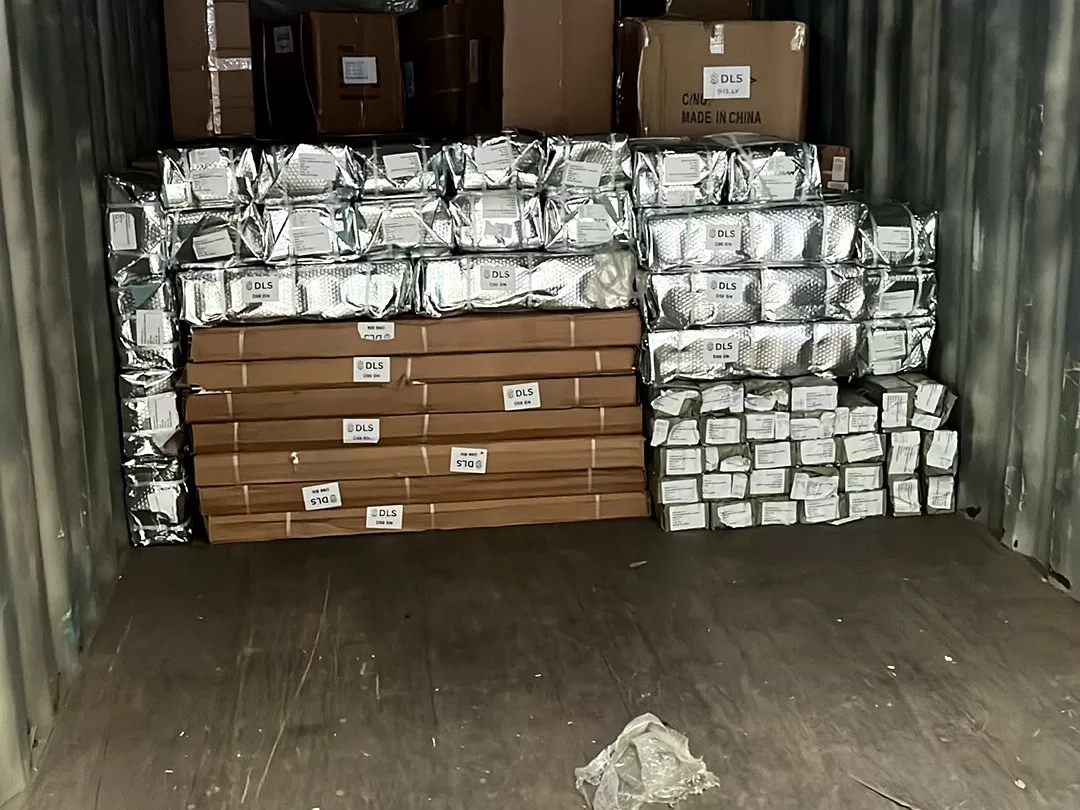

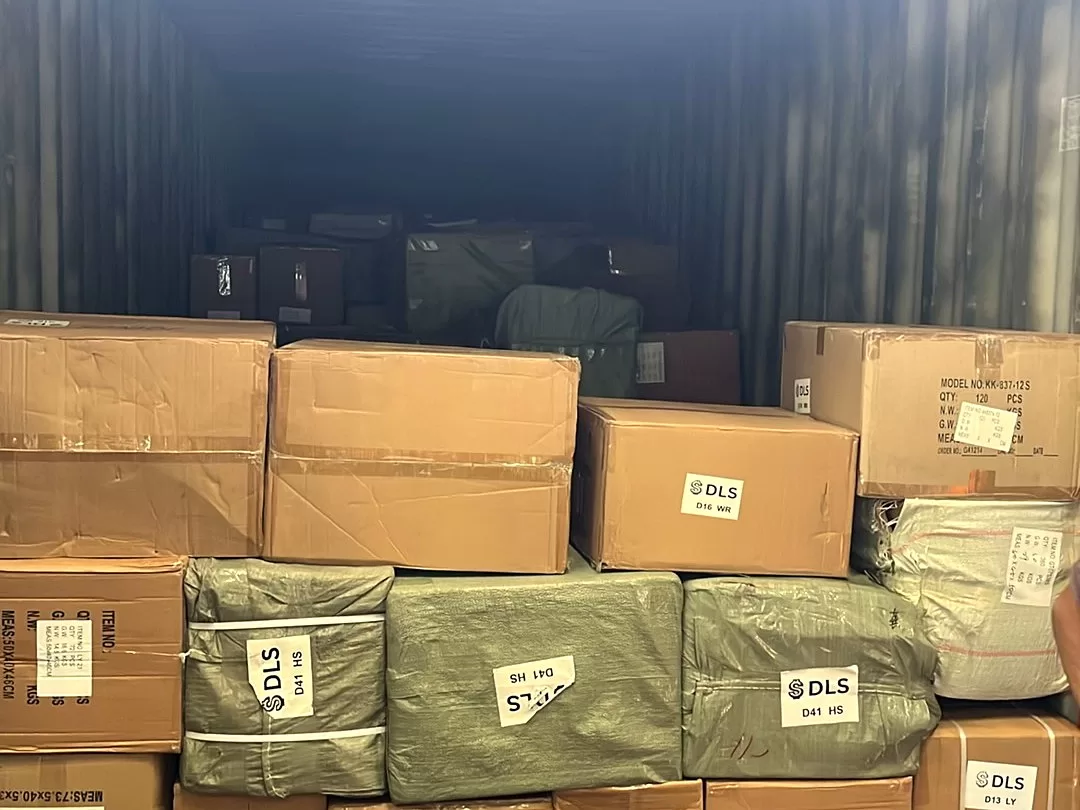
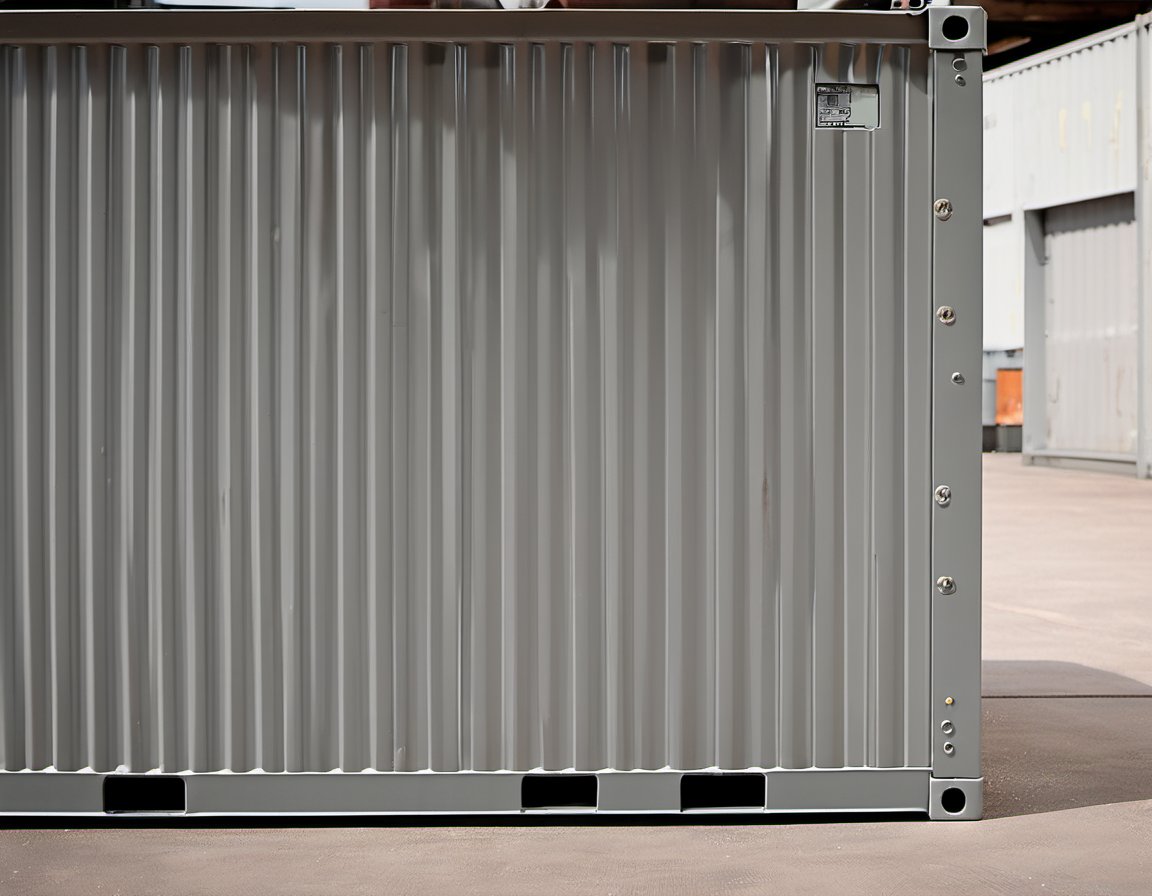
Container loading in Yiwu: every crate leaves with its own packing list and shipping marks.
Start here
The first two decisions: container type and mode
Two questions decide most of the plan: does the shipment fill a container, and how fast must it arrive? Transit, cost and handling risk follow.
| Option | Advantages | Disadvantages | Choose it when |
|---|---|---|---|
| FCL — full container load | Goods fill the whole box, sealed at the factory and opened once at destination, so nothing mixes with other cargo and damage risk is lower. | You pay for the box whether or not you fill it, so empty space is dead cost. | Cargo is bulky, heavy, fragile or high value, or the order is close to a full box. |
| LCL — shared, or groupage, container | You pay only for the space the goods take up, keeping small and trial orders affordable. | The cargo is grouped with other importers’ freight and split again at a deconsolidation warehouse, so it is handled more often, raising damage risk and adding days in transit. | The quantity is small, the goods are well packed, and a few extra days in transit will not disturb the schedule. |
The tipping point is volume. Groupage pays while the goods are a small part of a container; as the shipment nears a full box the share you pay stops falling while the extra handling and transit remain. Close to a full box, consolidate the next supplier’s goods or hold for a full load.
Sea, air or express
| Mode | Advantages | Disadvantages | Choose it when |
|---|---|---|---|
| Sea freight | The workhorse of container shipping: the best value for heavy, bulky cargo, with frequent lanes and the lowest unit cost of the three. | The slowest option, and the one most exposed to port congestion, blank sailings and peak rollovers. | The goods are not urgent, or their weight makes faster modes uneconomic. |
| Air freight | Days rather than weeks, with far less handling than groupage — ideal for high-value, light or time-sensitive goods. | Cost scales with weight and volume, punishing bulky cargo. Capacity tightens at peak, and batteries and liquids bring extra rules. | The margin can absorb the freight, or the cost of delay is higher than the cost of flying. |
| Express or parcel | Door to door with tracking, minimal paperwork, and duties often handled by the carrier. | Good value only while parcels stay small; weight and size limits apply. | You are sending samples, spares or a small replenishment between sea shipments. |
US gateway
Choosing a port on the right coast
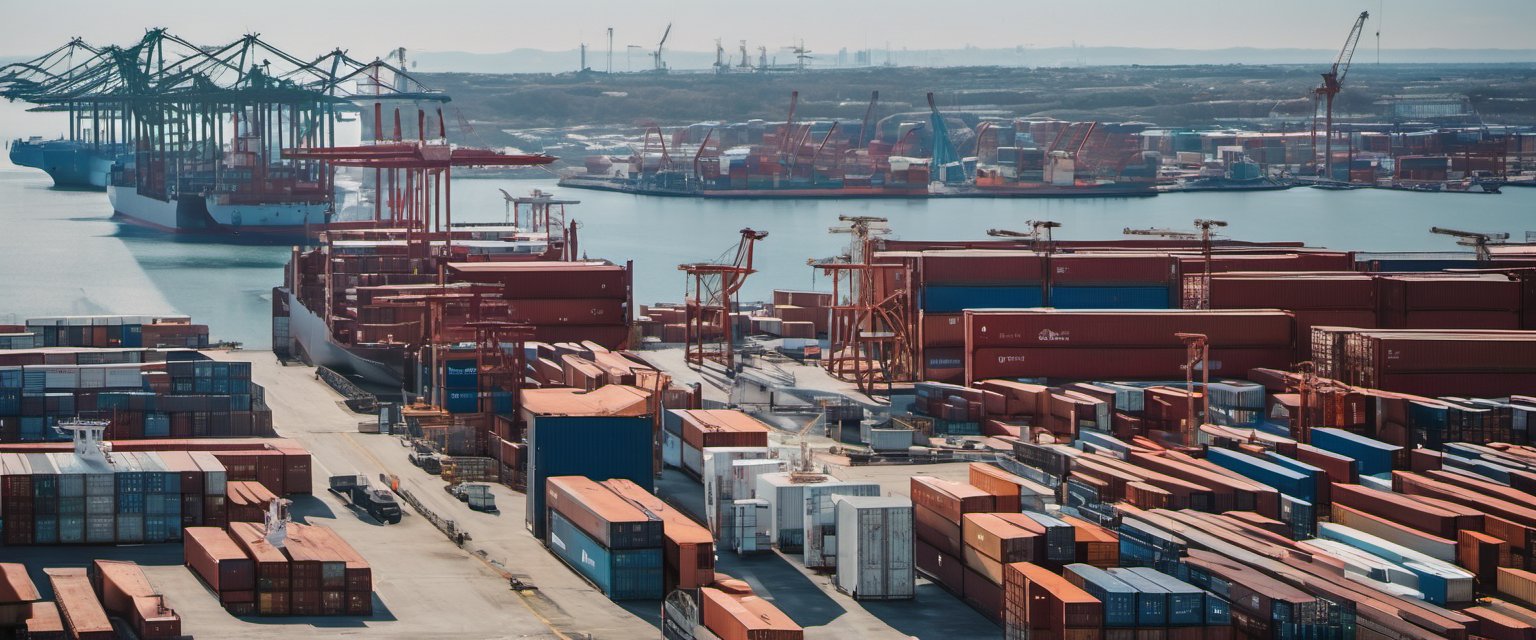
The gateway you choose fixes the ocean transit, the inland distance and the congestion you inherit. The ocean leg is only half the door-to-door time.
US West Coast
Advantages: the shortest ocean crossing from China, the most frequent sailings and the densest rail links inland, which make sea-rail intermodal to the centre of the country straightforward.
Disadvantages: it is also the busiest gateway, so peak-season congestion, rail dwell and the risk of a box sitting too long at the ramp are highest here.
Choose it when: your inland destination is in the west or centre, or the quickest time on the water matters most.
US East Coast
Advantages: for an eastern buyer it removes the transcontinental rail leg, so door-to-door time can be shortest for the eastern seaboard.
Disadvantages: the ocean transit is longer, and the route depends on canal and port capacity.
Choose it when: your warehouse sits east of the Mississippi and the inland leg matters more than the sea leg.
US Gulf
Advantages: a sound fit for Texas and the central south, and generally less crowded than the western gateways.
Disadvantages: fewer direct services from China, so more shipments pass through a transhipment port.
Choose it when: your inland point is in the Gulf region and the inland saving outweighs fewer sailings.
Responsibility
How far does the forwarder’s responsibility reach?
The term you agree decides who books, who pays, who clears and, above all, where your risk begins.
FOB — Free On Board
Advantage: you keep control of the main freight, the forwarder and the insurance, and the seller’s job ends once the goods are on board at the Chinese port.
Drawback: you arrange and insure the ocean leg yourself, and carry the risk from the moment of loading.
Choose it when: you buy regularly, have a forwarder you trust, or want to consolidate several suppliers under one booking.
Port to port
Advantage: the lowest visible freight line, with the forwarder moving the box only between the two ports.
Drawback: everything else is yours — inland collection, clearance, duty and final delivery — so any ramp or port delay lands on you.
Choose it when: you already run your own broker and inland transport, or your warehouse sits close to the arrival port.
Door delivery — DAP (Delivered At Place)
Advantage: one party manages the whole transport, from the ramp to your address.
Drawback: the arrangement reaches your door but not past the duty, so you or your broker still clear the goods and pay the duty — you still need an importer of record and a bond.
Choose it when: you have an importing company and a broker, and want transport handled end to end.
DDP — Delivered Duty Paid
Advantage: the seller or forwarder clears the goods, pays the duty and delivers to your door, so you need no customs account of your own.
Drawback: the importer of record is whoever clears, which on a DDP shipment is usually not your company, so the classification, value and customs record sit with someone else.
Choose it when: you are new to importing and content for another party to hold the customs record.
“Clearance and duty included” schemes
What they really are: the forwarder clears your goods and covers the duty under an importer number that is not yours.
The risk: you ship under someone else’s registration, the compliance record belongs to an entity you do not control, and you hold no import paperwork of your own.
Use it when: the convenience outweighs the lost record — and never where your own company needs to be the importer of record.
Consolidation, paperwork and timing
One container, several suppliers — and the calendar that decides the rest
Two things shape the plan once the routing is set: how many factories feed the shipment, and when in the year it has to move.
Combining suppliers into one container
Why it pays
Bringing several factories’ goods into one container spreads the fixed origin costs — one export declaration, one set of collections, one customs entry, one inland delivery — and makes a full container reachable when no single supplier fills one.
What it costs you
The slowest factory sets the loading date, so one late supplier holds the whole box, and paperwork multiplies across suppliers.
The documents to hold
Before the container leaves, hold the commercial invoice, packing list, bill of lading or sea waybill, certificate of origin where required, and insurance certificate. The carrier also needs the advance security data for the manifest. The discipline that prevents most delays is this: the invoice description should match the classification, and the value should match your records. When description, value and classification tell one story the entry moves; when they disagree it waits. Goods are checked against the approved sample before sealing, through our quality-control work, and the order is kept on schedule through order tracking and expediting.
The peak-season clock
Capacity, rates and lead times tighten around the same dates each year: the weeks before Chinese New Year, and the retail build-up before the Q4 holidays.
Lock the space early
Advantage: space and a rate protected in writing, so a peak spike does not reach your landed cost.
Drawback: you commit before final quantities are certain.
Choose it when: the goods must hit a selling window.
Book late, on the spot market
Advantage: flexibility, and a chance to catch a softer rate in a quiet period.
Drawback: in a tight market you risk being rolled to a later sailing, and today’s rate may not be tomorrow’s.
Choose it when: timing is flexible or the volume is small.
Working with a forwarder
Choosing a forwarder — and what to do when the plan breaks
A forwarder is judged twice: on the day you book, and on the day something goes wrong.
Response speed and a named contact
How quickly do they reply, and is one person named on your shipment? A forwarder who answers within hours catches problems cheaply.
Destination network
Ask who handles the arrival port, the inland leg and the clearance. Real agents at both ends keep the shipment in one set of hands.
Written responsibility
Ask them to set out the scope in writing before you book: inclusions, exclusions, who clears, who is the importer of record, and the free time.
Exception handling
When a container is held or late, do they warn you before a charge is incurred, or after? The best flag a demurrage risk on the day the box lands.
When things go wrong
Demurrage and detention
Demurrage is the charge for a container waiting inside the port or terminal; detention is the charge for keeping the box outside it. Both start once free time runs out and climb quickly. Avoid it by collecting as soon as the box is released. Handle it by agreeing the free-time terms in writing and chasing the release.
A customs hold
An entry can be held when the description, the value or a document does not line up. Avoid it with an accurate invoice and a complete document set before departure. Handle it by responding with the paperwork the same day, so the issue does not recur.
Damage or loss
Avoid it by inspecting the goods before the container is sealed and insuring the cargo to its full value. Handle it by photographing the goods, noting exceptions on the delivery receipt before you sign, and notifying the forwarder and insurer promptly. Most claims are lost on evidence, not merit.
Decision checklist
Your shipping plan, in order
Work through these the moment an order is confirmed; each decision narrows the next.
- Confirm the goods factsValue, weight, volume, the likely classification, and any restricted item such as a battery.
- Fix the delivery dateWork back from when the goods must be on the shelf.
- Choose the modeSea, air or express, from the urgency against the value and weight of the cargo.
- Choose the container typeFull container or groupage, from the volume against the cost of empty space.
- Choose the US gatewayWest, east or Gulf, judged on your inland destination and the season.
- Fix the delivery termsFOB, port to port, door, DAP or DDP — and write down where your risk begins.
- Agree the forwarder’s scope in writingInclusions, exclusions, free time, who clears, and who is the importer of record.
- Prepare the documents and the security dataInvoice, packing list, bill of lading, insurance, origin, and the advance manifest information.
- Book the space and the rateIn writing, and early when the shipment has to hit a peak-season window.
- Plan the arrivalUnloading appointment, duty funds ready, and someone checking the goods against the paperwork.
Not sure about one of these? Send us the product and the destination and we will work through the sequence with you before anything is booked.
Common questions
Questions importers ask before they ship
Should I ship a full container or share one?
Share while the order is a small part of a box: you pay only for the space you use. Move to a full container once the volume approaches one, because the saving from sharing shrinks while the extra handling and the longer transit remain.
Which coast should I land on?
Start from your inland destination, not the port. The west coast has the shortest ocean leg; the east coast adds a longer sea leg but can be quicker door to door for eastern buyers; the Gulf suits Texas and the south.
What does DDP actually include, and who is the importer of record?
DDP means the seller or forwarder clears the goods, pays the duty and delivers to your door. The importer of record is then the party that clears — usually the forwarder or a company they work with, not your own company. If your business needs to be the importer of record, choose DAP or FOB and clear in your own name.
Can you combine goods from several suppliers into one container?
Yes, and it is usually the reason to plan early. We buy in Yiwu and across the region, inspect the goods and consolidate them onto one booking. The catch is timing: the slowest supplier sets the loading date, so build in buffer time and a clear document pack from each factory.
When should I book for peak season?
Around the weeks before Chinese New Year, and during the retail build-up ahead of the Q4 holidays, capacity tightens and rates and lead times rise. For a shipment that must hit a selling window, lock the space and the rate well ahead; in a quiet period you can book closer to the loading date.
What should I hold, and what happens if a container is held?
Keep the commercial invoice, packing list, bill of lading, insurance certificate and any certificate of origin, and make sure the invoice description and value match the classification. If a container is held, the cause is almost always a mismatch or a missing document — respond with the paperwork the same day.
Ready to plan your next shipment?
Send us the product, the quantity and your destination. We will tell you which mode, container and terms fit, and what the forwarder needs from you — before anything is booked.