Guide · US imports
Classification and trade terms for US-bound goods
The HTS code sets your duty, the agencies that watch your product and whether it can enter at all. The Incoterm decides who clears the goods, who pays the bill and who carries the risk. Both are settled before the container leaves China — and both are painful to correct afterwards.
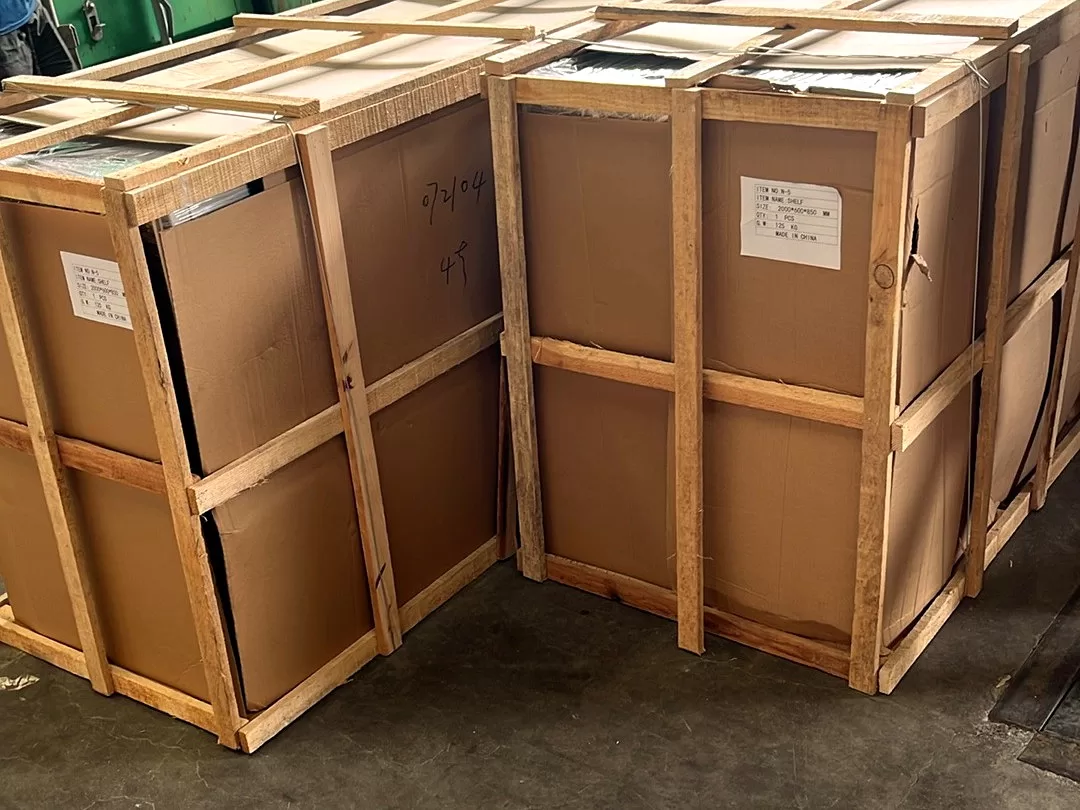
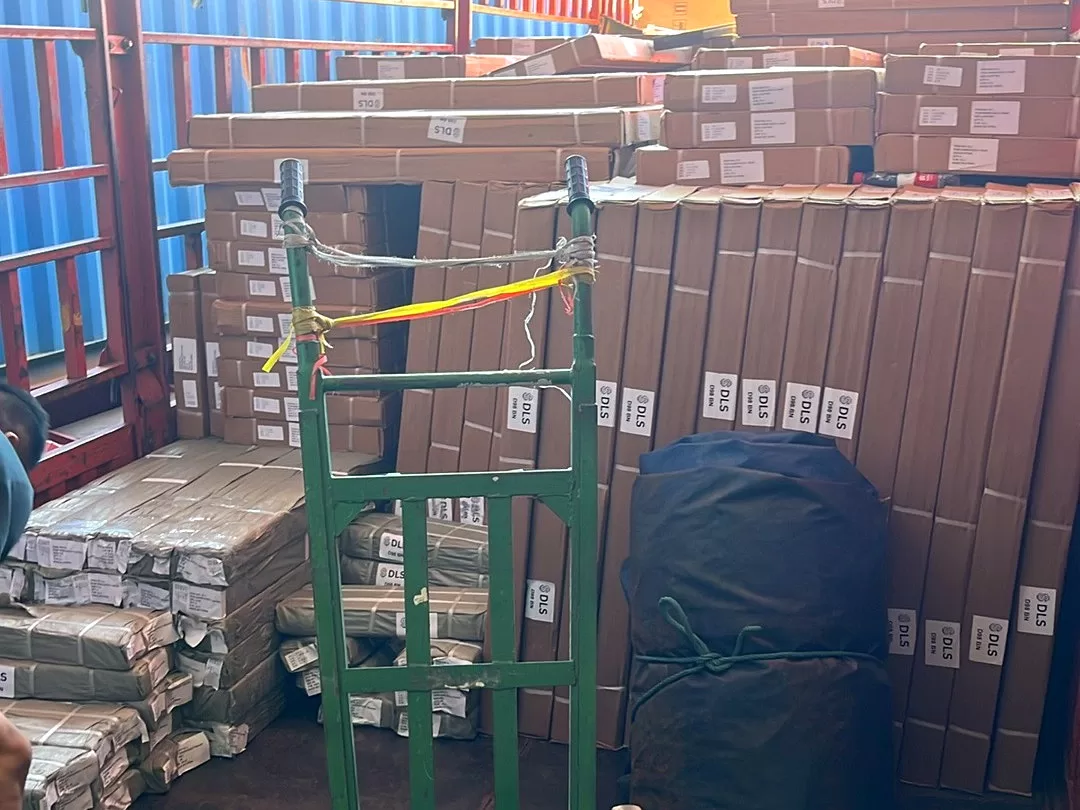
Container loading in Yiwu: every crate leaves with its own packing list and shipping marks.
Classification
The HTS code decides more than the duty rate
Every import into the United States is declared under a tariff number. In the US that number is the ten-digit HTS code, built on the six-digit HS code used worldwide. The first six digits are international; the last four are specific to the US. That one choice drives four things at once.
What you pay
The duty rate follows from the code. Two products that look alike can sit in different chapters and carry different rates and different trade preferences. Read the rate off the current schedule for your exact number — do not carry over a figure from an earlier order.
What else applies
A code can pull in a second agency: the FDA for food-contact, cosmetic or some device goods, the USDA for wood and plant material, the CPSC for children’s products, the FCC for anything that transmits, the EPA for chemicals. That can mean a certificate, a test report or a prior notice before the goods may enter.
Whether it is admissible
Some codes sit under anti-dumping or countervailing duty orders, or under a quota. A change of material, size or origin can move a product in or out of scope. This is checked against the specific order and its exclusions, never against the chapter heading alone.
What you can prove later
The entry you file is your record. If customs reviews it, if you claim a refund, or if you later claim duty drawback on re-export, the classification has to stand up with a written rationale — not a number copied from a supplier’s system.
Classification is the importer’s legal responsibility, even when a broker files the entry in your name. A wrong code can be corrected, but the correction usually arrives with back duty and interest.
How to find the right code
- Get the product facts from the supplier, not the codeAsk for composition by percentage, the function of the item, the key specifications (dimensions, wattage, whether it contains a battery or electronics). For anything mixed or electrical, ask for the bill of materials. A supplier’s suggested HS code is a starting point, not an answer.
- Start from function, then narrow by materialThe purpose of the goods points to the chapter; the material decides the subheading. A glass article sold to display goods and the same glass sold to drink from do not share a code. Where a product is made of two materials, the one that gives it its essential character usually decides.
- Check the US schedule and the rulingsUse the US International Trade Commission’s online HTS search for the ten-digit number and its rate, and CBP’s CROSS database to read how customs has ruled on similar goods before. For high-value, ambiguous or regulated products, a binding ruling from CBP settles the question before you ship.
- Write down the rationale and the confidenceRecord the code, the reason and what still needs confirming. If you are not confident, treat the code as provisional and put the open question to your broker — before production, not before loading.

Trade terms
Incoterms, and who really carries the risk
Incoterms 2020 rules say who arranges transport and where risk passes. They do not, on their own, say whose name clears the entry or whose tax number sits on it. Read the two questions separately.
| Term | Main freight | Import clearance | Duty paid by | Risk passes |
|---|---|---|---|---|
| FOB | Buyer | Buyer | Buyer | When goods are on board at the origin port |
| CIF | Seller | Buyer | Buyer | When goods are on board at the origin port |
| DAP (often called DDU) | Seller | Buyer | Buyer | At the named destination, before unloading |
| DDP | Seller | Seller | Seller | At the named destination, before unloading |
Under CIF the seller pays freight and insurance to the destination port, but the buyer still clears the goods and pays duty. DDU is not one of the official Incoterms 2020 rules; it is the older, looser name for DAP. Only DDP moves the import clearance and the duty to the seller — and that is exactly where the confusion begins.
What a “double-clearance, duty-included” rate really means
Many China-side forwarders sell US shipments as one all-in price from factory to door, clearing both the export and the import side and quoting duty inside the figure. Handled properly it is convenient and perfectly legitimate. The risk is in the detail, so pin these four points down before you book.
Whose tax number clears?
If the entry is filed under your EIN as the consignee, you are the importer of record. The classification, the valuation and the duty are legally yours — even if you never chose the code and never saw the entry summary. That is a heavy responsibility to hold blind.
Whose bond covers it?
Ask whether the entry runs on a single-transaction bond or the forwarder’s continuous bond. Ask who pays if customs examines the container, because the exam fee is usually outside the bond and outside the all-in price.
What is excluded?
Exam and removal fees, storage, chassis hire beyond the free days, and the cost of a return or abandonment are typically not in the all-in figure. Get the exclusion list in writing, not verbally.
How is the price held down?
The cheapest ways to force an all-in figure down are a low declared value or a generous code. That saving is temporary. Any penalty, back duty or seizure lands on the importer of record, not on whoever built the quote.
Before you book
Ten things to confirm before the container loads
Everything here is settled in China, cheaply. The same items discovered at the US port of entry cost far more, because the goods are already moving and the clock is running.
- Ten-digit HTS code for every SKUOne line per distinct product, with the reason for the code and a confidence level. A blanket code across a mixed container is asking for a hold.
- Whether another agency appliesCheck the code against FDA, USDA, CPSC, FCC and EPA triggers, and note the specific document each would need.
- Country-of-origin markingThe country of origin marked legibly on the product itself and on the carton, per US marking rules. Rework at destination is charged back to you.
- Labelling and packagingRetail labels, warnings and shipping marks matched to the destination market and your own artwork.
- The invoice description matches the codeThe words on the commercial invoice should read like the classification, not like a marketing name.
- Declared value is the true transaction valueNot a round number, not a figure chosen to keep duty low. Declared value and your records have to agree.
- Importer of record, EIN and bond decidedFix in writing who is the importer of record, whose tax number clears, and whether the bond is single or continuous.
- Prior notice where requiredFDA-regulated goods such as food and cosmetics need prior notice before arrival. Confirm who files it.
- Anti-dumping and quota screenCheck the code against current trade-remedy orders and their exclusions. Codes and orders change, so check this order, not last year’s.
- Incoterm and risk point in writingThe agreed term, the named place and where risk passes written into the proforma invoice and the booking.
Common mistakes
Six costly errors, and how each one happens
One code for a mixed container
A container holds five products and the paperwork gives one code. Each distinct item needs its own classification; the missing ones are exactly what an examination finds. Split the manifest by SKU from the start.
A low declared value
Under-declaring cuts the duty today and creates a gap between the entry and your books tomorrow. Customs can revalue the goods, and the penalty follows the importer of record. The saving never survives an audit.
Borrowing someone else’s tax number
Clearing under a number you do not control means the legal liability of the importer of record sits with you while the decisions sit with someone else. If the code or value is wrong, you carry the consequence.
Trusting the supplier’s HS code
A supplier’s six-digit code is often copied from a competitor’s listing and may not match how CBP reads the product. Check it against the US schedule and the CROSS rulings before it reaches an entry.
“All-in” that stops at the port
An all-in quote that excludes duty, destination charges or the exam is not all-in. Read the exclusions before you compare two rates; the cheaper headline is sometimes the more expensive shipment.
Returns and abandoned goods
If a shipment is refused or abandoned, storage, return freight and disposal fall on the importer of record, and duty already assessed is rarely refunded. Agree in advance who bears the cost of a return.
Move the risk earlier
Decide classification and responsibility before production
These two decisions are cheapest at the quotation stage, when a change costs a phone call, and most expensive at the port, when a change costs a container. Push both as far upstream as you can.
- Get the classification before the order is placedA written code, with its rationale and confidence level, agreed with your broker while the goods are still a specification. If a certificate is needed, it is arranged during production, not after.
- Fix the responsibility boundary in writingPut the Incoterm, the named place and the importer of record into the proforma invoice. Confirm with the forwarder, in writing, whose bond is used and what the price excludes.
- Carry both onto the commercial invoiceThe code and a product description that matches it, plus the true value. The invoice is the document customs reads first.
- Keep the recordRetain the rationale, the ruling if you have one, and the value build-up. If the entry is ever reviewed, the record is your defence.
Classification and clearance sit alongside the rest of the buying job. See how we handle sourcing and documentation, pre-shipment quality control and order tracking through to delivery.

Common questions
Classification, terms and the importer of record
Is the HS code the same as the HTS code?
No. The HS code is six digits and is shared internationally. The HTS code is the US ten-digit version: the first six match the HS, and the last four are US statistical and duty suffixes. You declare the ten-digit number in the US.
Who is legally responsible for the classification — me or my broker?
The importer of record is responsible. A broker advises and files the entry, but the declared code, the value and the duty rest on the importer. That is why it pays to agree the code in writing with the broker rather than accept it as filed.
Can the same product have two different codes?
Yes. The function of the goods sets the chapter and the material sets the subheading, so the same physical item sold for two different uses can fall under two different codes. Mixed-material goods are decided by the material that gives the item its essential character.
Under DDP, is the seller or am I the importer of record?
The term alone does not decide it. What decides it is whose name and tax number are on the entry. If the entry is filed under your EIN, you are the importer of record even though the seller agreed to clear the goods. Confirm the named importer before booking.
Do I need my own EIN and bond to import?
To act as the importer of record under your own name you need a US tax number and a customs bond, either a single-transaction bond for one entry or a continuous bond for the year. If you import rarely, a service may clear under its own name — but be clear about who then owns the liability.
What does an all-in, duty-included rate usually leave out?
Commonly the customs examination fee, storage, chassis hire beyond the free days, and the cost of a return or abandoned goods. Ask for the exclusion list in writing so a two-quote comparison is like for like.
Duty rates, classification and clearance rules are set by US Customs and Border Protection (CBP) and are updated from time to time; the descriptions above are illustrative and not current rates. For your actual product, confirm the classification and the clearance responsibility with a licensed customs broker or with CBP directly. This article explains the method only and is not customs, tax or legal advice.
Shipping to the US? Start with the code.
Send us the product, the material and the destination. We will tell you what to confirm before the container loads, and what it costs.