How we work · Your data
Your order lives in one place — and only you can see it
If you have ever wanted to know where your goods are, and the only way to find out was to send an email and wait a day, you already know the problem. Order details, payment records and progress notes end up scattered across inboxes, chat apps and screenshots, with no single place to look. We built our own system so that you never have to ask again.
- 2014established in Yiwu, China
- 2,500+containers shipped in 2023
- 10+years buying in Yiwu
- 09285183Neshat Trade Ltd, company no.
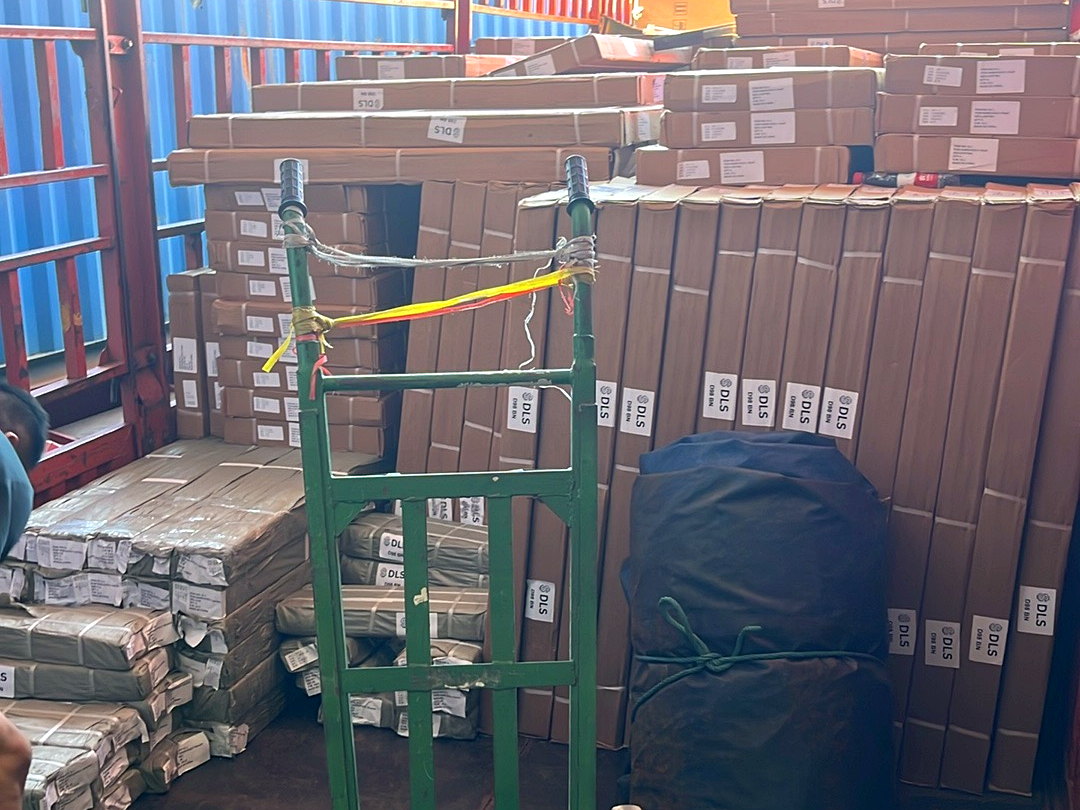
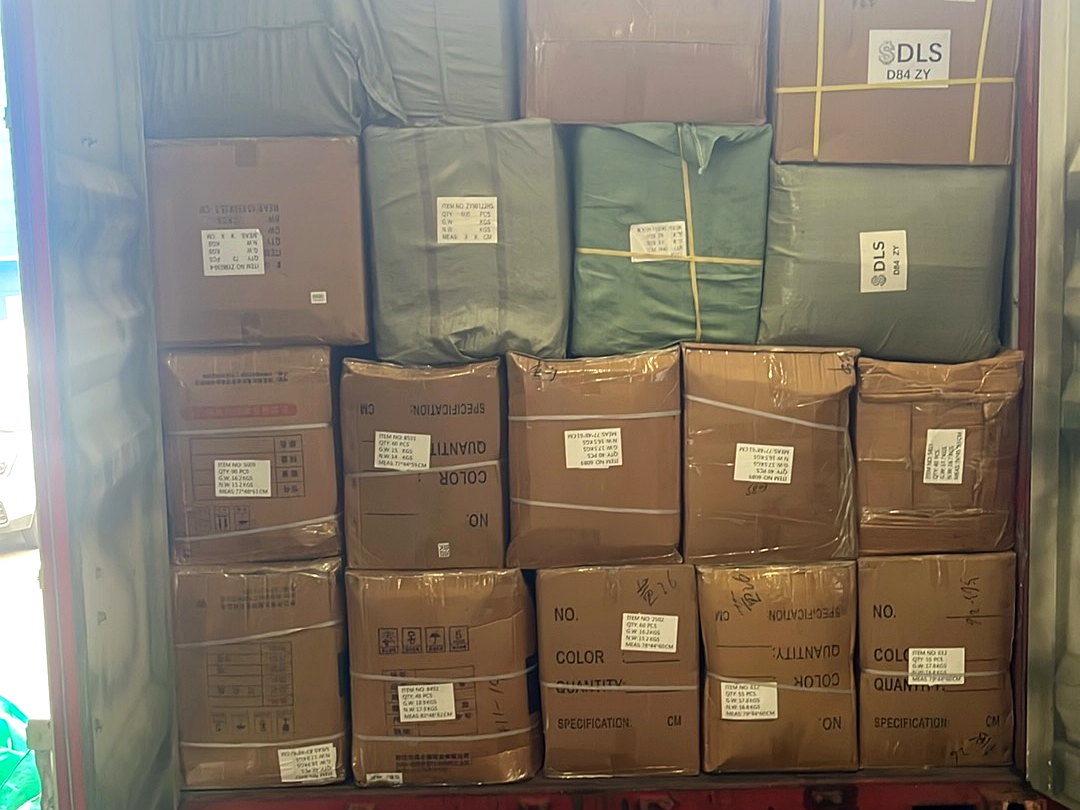
Every order on our system passes through here: counted, packed and loaded in Yiwu.
The usual way
The problem with the usual way
Most import relationships are held together by email. Nothing is written down in a place both sides can open, so every question becomes a message, and every message becomes a wait.
Your order is spread across threads
The latest quantity, the revised price, the packing photo and the note about a delay all sit in different messages. Working out the current position means reading back through weeks of them.
You find out by asking
Want to know whether the container has shipped? You send an email and wait for the other side to wake up and reply. Across a time zone, that can cost you a full working day for a single fact.
Your own records are a reconstruction
At the end of the month you rebuild what you paid and when from a folder of attachments and bank lines. The picture is close enough to trust, but not exact enough to argue with.
Mistakes surface late
A wrong figure or a missed line is usually noticed at the point it matters most — at the port, at the bank, or when the goods land. By then it is expensive to correct.
None of this is anyone’s fault. It is simply what happens when the record lives in a mailbox rather than in one shared place.
What we built
One system, one clear view for each buyer
We run our own server, and every client’s orders are managed on it. You open your own view and see your orders and your payments as they stand — nobody else’s, and not a copy from last week.
Our own server
Every order we handle is managed on a server we run ourselves. Your order is not sitting in one person’s inbox, and it does not depend on someone remembering to forward you the latest version.
Your order, your view
You can see your own order data and your payment information directly, whenever you want to. The status of an order is something you look at, not something you have to request.
Your data is yours only
Information is not shared between clients. When you look at your orders you see only yours; another buyer opening their view sees only theirs. What belongs to you stays with you.
Reachable anywhere
The server can be reached over the global network, so your view is available from wherever you are — the office, home, or a warehouse on the other side of the world.
Always current
Data updates in real time. There is no nightly export and no weekly report — when something changes on an order, what you see changes with it.
A customer portal is only as good as the work behind it. The orders it holds are handled in Yiwu by the same team that has been buying there since 2014 — see our buying services.
Why it matters
Why this matters for a buyer
Transparency is an easy word to put on a website. For an importer, it means four concrete things you can feel in the ordinary running of an order.
You stop waiting for your own answer
The status of your order is not something you have to chase. You look, and you know — without a message crossing a time zone and coming back tomorrow.
You reconcile against the record
What you paid and what it was for sits in one place, not spread through a folder of attachments. Month-end becomes a check rather than a reconstruction.
Differences surface earlier
When both sides are looking at the same numbers, a mistake is noticed while the goods are still in China — when it is cheap to fix, not after they land.
You plan around what you see
Knowing where an order genuinely stands makes reordering, cash flow and the next shipment a decision rather than a guess.
What it changes
What it changes between us
Trust is usually something you are asked to take on faith. We would rather it rest on something you can open and check.
- You see the same order we do
- Your information stays yours
- Nothing waits on a reply
- It is current, not remembered
Over a decade of buying in Yiwu, the relationships that lasted are the ones where both sides were looking at the same picture. That is all this system is: the picture, in one place, with your part of it visible to you alone. Basing trust on what a buyer can see, rather than on what we say, has changed the nature of our client relationships more than any promise could. It is not an assurance written into a contract; it is a place you return to. How order tracking and expediting works →

Common questions
Questions buyers ask about their data
What can I actually see?
Your own orders and your own payment information, shown as they currently stand. The status of each order and what has been recorded against it — the same information we work from, not a summary written up afterwards.
Can other clients see my information?
No. Information is not made public between clients. When you open your view you see your own orders; another buyer opening theirs sees only their own. What belongs to you stays with you.
How often is the data updated?
In real time. When something changes on an order, it changes in what you see — there is no nightly export or weekly report to wait for.
What would it be like without a system like this?
The way most trade still runs: you ask, someone replies, and the answer depends on who is at their desk. Your records live in a mailbox. It works until it does not, and there is rarely one place to check.
See your own order, not a summary of it
Tell us what you are importing and where it is going. You will see how the work is tracked before you commit to anything.