Procurement · the profession
The Future of the Purchasing Profession
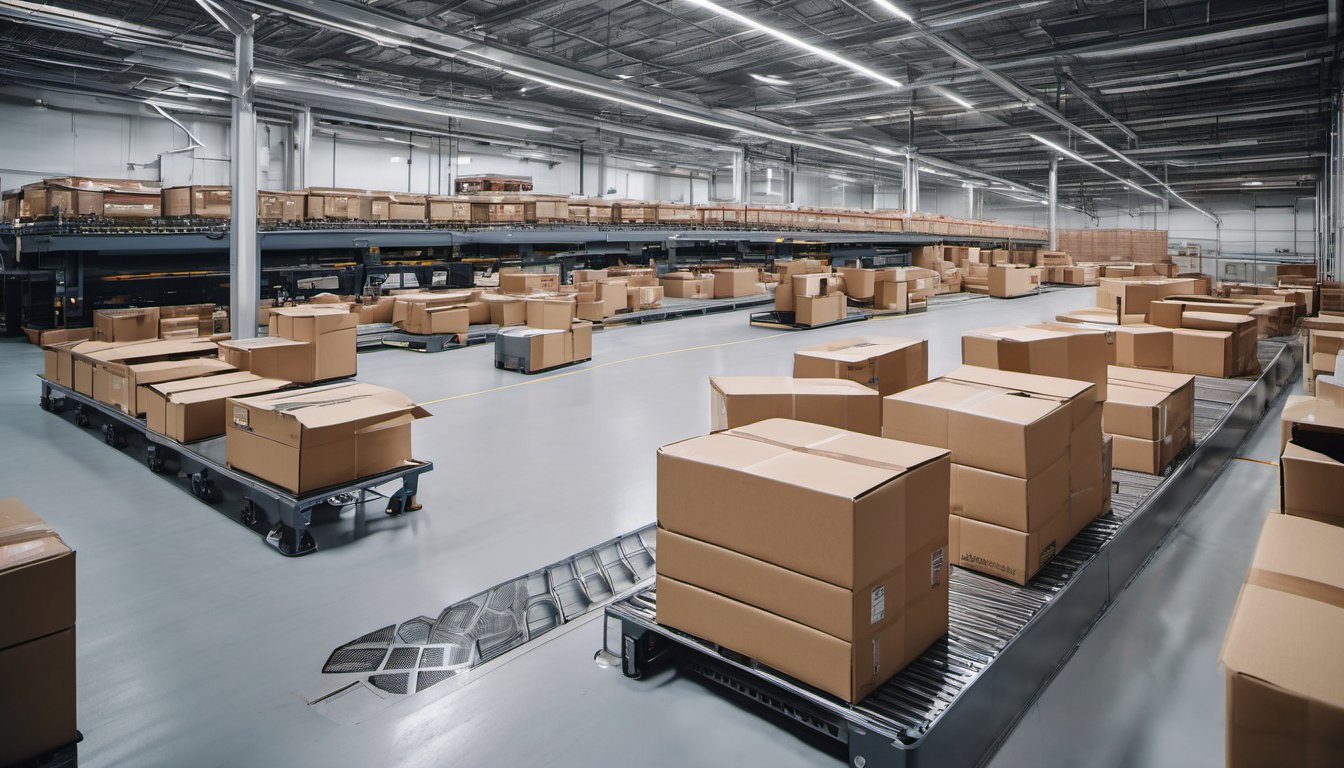
Automation has already taken over the repetitive half of procurement: the purchase orders, the price comparisons, the reminders. The half that creates value — judging a supplier, reading a specification, holding a negotiation — is still done by people, and it now counts for more.
What is being automated
The repetitive half has already gone
Software now handles the tasks that once filled a buyer’s week. That is not a threat to the profession; it removes the part of the job that never created much value in the first place.
Routine ordering
Reordering a known product from a known supplier, at an agreed price and schedule, is increasingly handled by systems. The value in that transaction was always small; the time it consumed was not.
Price comparison and reporting
Gathering quotes, normalising them and producing a comparison is exactly the kind of structured work software does faster and more consistently than a person with a spreadsheet.
Tracking and reminders
Chasing order status and flagging a late milestone no longer needs a human to remember it. The software raises the flag; the judgement about what to do next is still yours.
What stays human
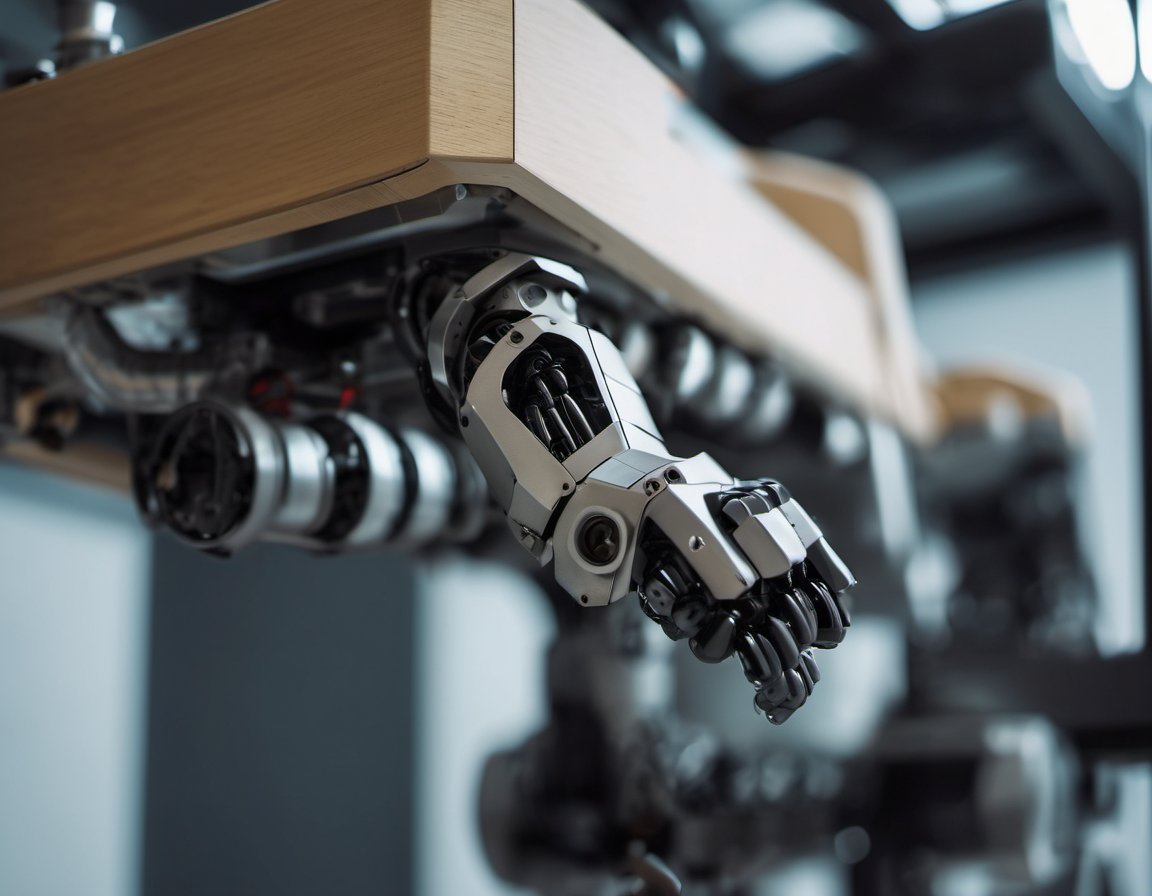
The parts a system cannot judge
Reading a factory
Whether a supplier can really hold a standard at volume is a physical judgement. It comes from walking the line, watching the quality of the work and asking the awkward question.
Judging a sample
Software can store a specification. It cannot decide whether a sample is close enough to sell, or whether a small shortcut in material will show up in the customer’s hand.
Negotiating
Price, terms and the handling of a defect are settled between people. A system can prepare the numbers; it cannot read the room or know when to hold and when to close.
Taking responsibility
When something goes wrong, a buyer answers for it. Accountability for a decision does not transfer to the tool that helped make it.
The shift
The role is moving up, not away
As the transactional work is automated, the buyer’s value concentrates in judgement and relationships. The job is becoming less about processing orders and more about owning outcomes.
- From buyer to category ownerInstead of filling orders, the role increasingly owns a category of spend — the suppliers, the risk and the results across a whole range of products.
- From price to total costWith the transactional data available instantly, attention moves to the total cost of ownership: quality, lead time, duty, freight and the cost of getting it wrong.
- From chasing to anticipatingBuyers who understand their suppliers’ capacity and their own demand can act before a problem becomes a shortage.
- From transactions to relationshipsA supplier who trusts you gives better terms and better treatment when capacity is tight. That is built over time by people, not by portals.
Getting ready
What to build if you work in procurement
The change is not something to wait for. The skills that will matter over the next decade can be built now, order by order.
Judgement on quality
Learn to read a sample and a specification properly. The person who can tell whether goods are good enough to sell is hard to automate and hard to replace.
Fluency with the data
Understand the numbers the software produces well enough to question them. A buyer who can read the cost and schedule data is worth more than one who only receives it.
Ownership of an outcome
Take responsibility from specification to arrival. The role is moving towards owning a result, and the habits that support that are built on real orders rather than on training courses.
None of these skills is learned in a classroom. They are built by working real orders, seeing what arrives and comparing it with what was promised. The buyers who will still be valuable in ten years are the ones who can look at a specification, a supplier and a price and tell you, with reasons, which of them carries the most risk.
Choosing a partner
What to look for in a buying partner
- People who have stood in the factory
- Data discipline, not just software
- Judgement on quality, not just price
- A named person accountable for your order
- Relationships with real suppliers
The tools matter, but the experience behind them matters more. See how our buying team works →

Common questions
Where the profession is heading
Will automation replace purchasing agents?
It will replace the routine part of the role and raise the value of the rest. The judgement, negotiation and supplier relationships that decide outcomes still need people; what disappears is the paperwork around them.
What skills matter most now?
Reading a specification, judging a factory, negotiating terms and managing risk across a supply base. Technical fluency with software helps, but it is a tool for those skills rather than a substitute.
Does a buying agent still add value in a digital market?
More than before, in some ways. When quotes are easy to gather, the harder part is knowing which supplier is real, which price will hold and what the goods will actually be like on arrival. That is what an experienced agent brings.
Value judgement over paperwork
Tell us what you are buying. You get supplier options, a landed cost and a timeline from people with more than ten years in Yiwu, China — free.