Case study · Pet food
A private-label pet food range, sourced and shipped from China
How a US importer took a cat and dog food plan from a category brief to a packed trial container — with the factories verified, the samples approved and the paperwork checked before anything left China.
- 2,500+containers shipped in 2023
- 7offices worldwide
- 10+years in Yiwu, China
- 09285183Neshat Trade Ltd, company no.
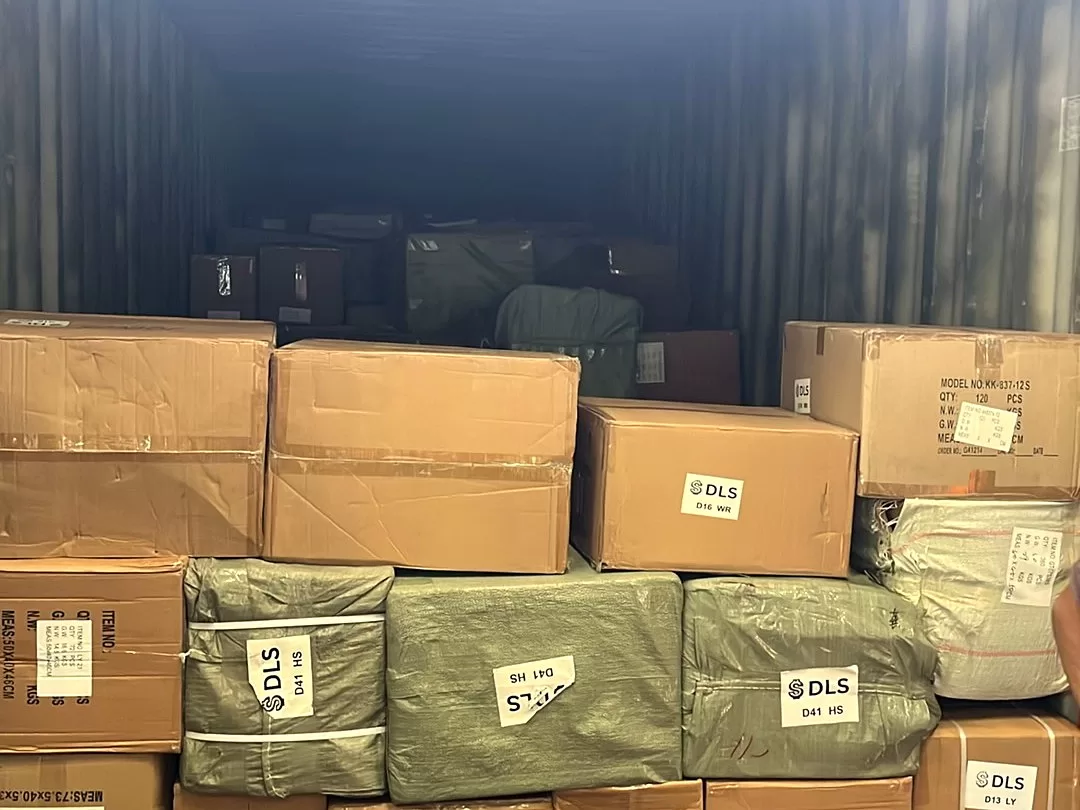


Consolidation and container loading in Yiwu – the last checkpoint before the goods ship.
The brief
A buyer with a plan, and no factory behind it
A US pet retail buyer came to us with a category plan rather than a purchase order. They wanted their own brand of cat and dog food — dry food first, wet food to follow — aimed squarely at US grocery and mass retail. The product had to read like a national brand on the shelf, while sitting on a supply chain the buyer could actually see into and keep control of.
What they did not have was visibility. Pet food punishes a bad supplier choice late: a palatability problem, a mislabelled bag or a missing certificate tends to surface after the container has sailed, when the shelf life is already running down. The buyer needed a China-side partner to sort real manufacturers from brokers, prove who could genuinely export to the United States, and carry the project from the first sample to the first shipment.
A range built for US shelves
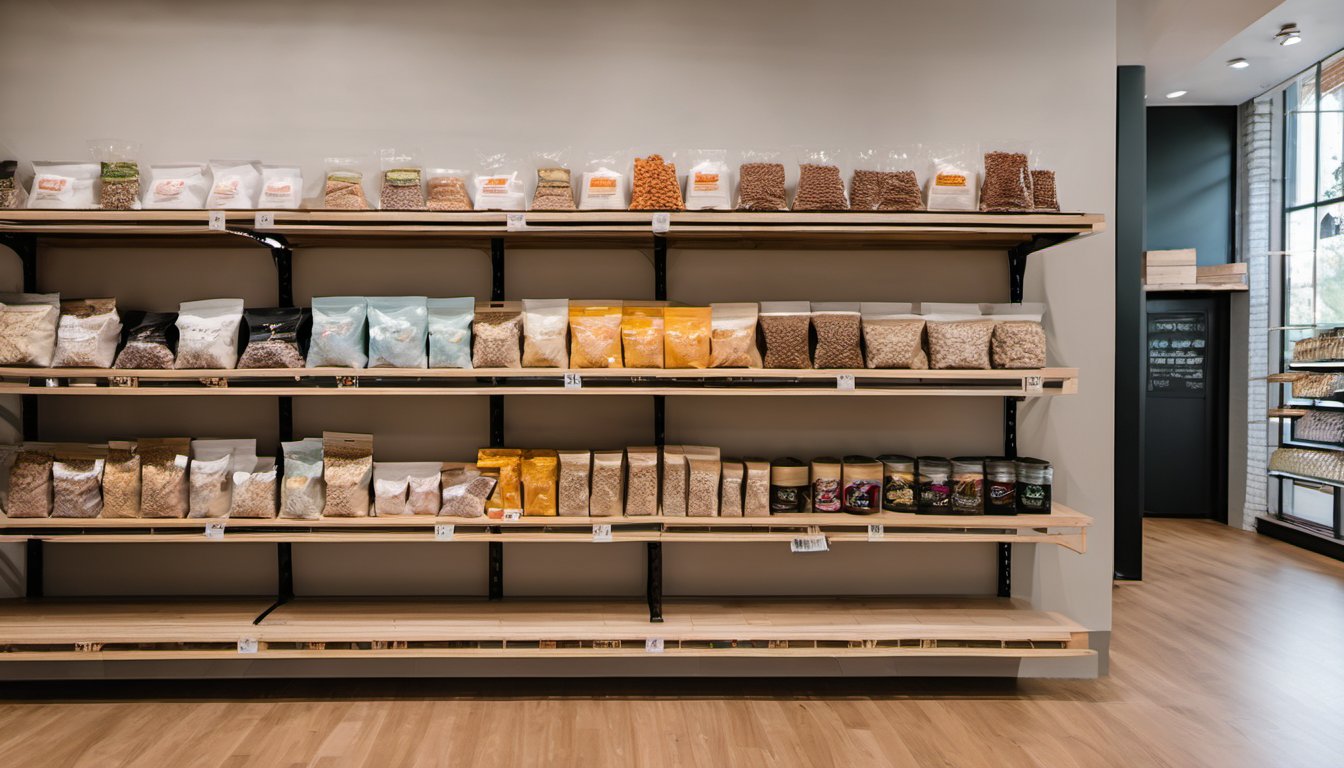
Not a single product but a small opening range — dry food for dogs and cats first, with wet food and treats held back until the first shipment had proved itself.
Factories they could not read
A long list of apparent manufacturers, and no reliable way to tell an exporter with real US experience from a trading company holding a catalogue.
Requirements they did not want to learn late
Labelling, import and state requirements for a regulated category — the kind of detail best settled before design begins, not at the port.
The brief was simple to state and slow to do properly: find the right factories, prove them, and build the range so the buyer could commit capital in stages.
What we did
Seven pieces of work, from long list to loaded container
We ran the project as a series of gates. Nothing moved to the next stage until the previous one had been evidenced and agreed with the buyer.
- Long list and shortlistWe built a long list of pet food manufacturers across China and scored it down to a shortlist worth pursuing — measured against this buyer’s range and channel, not against a generic checklist.
- Capability and paperworkFor each shortlisted factory we checked production capacity, product range and the quality and export files a US retailer will eventually ask for — and asked to see them, rather than hear about them.
- Recipes, samples and palatabilitySamples were made to the buyer’s target recipes and life stages, then put in front of real animals in short palatability trials before any volume was committed.
- Packaging and labellingBags, cans and cartons were sized for US shelf formats, with barcodes and label panels laid out to the labelling and import requirements of the market the goods were heading for.
- Costing and quote breakdownSupplier quotes were turned into a full cost picture — goods, packing, freight, duty and inland handling — so the buyer could see where the money went and where the risk sat.
- Testing and pre-shipment inspectionGoods were checked against the approved sample before packing, with the testing and inspection the category depends on arranged and the results filed against the batch.
- Consolidation, documents and shippingFinished goods were consolidated into a mixed container, the export documents prepared, and the shipment handed to a freight partner with pet food and US clearance experience.
Choosing the supplier
The six questions that decided it
Every factory was judged on the same set of dimensions, so the shortlist could be defended later. No single factory won on all six; the buyer needed a primary and a second source, and the evidence said which was which.
Production capacity
Whether the line could hold the recipe and the pack at retail volume, and not only in a hand-made sample.
Certification and paperwork
The certification and testing files a US buyer relies on, checked for currency and matched to the factory that actually holds them.
Export experience
Evidence of previous US shipments — shipping and clearance records — rather than an assurance that export would be possible.
Packaging capability
In-house or partner printing, artwork handling, and the ability to keep a retail pack to spec across a full run.
Communication and responsiveness
How quickly and how honestly a factory answers an awkward question foreshadows how it behaves when a batch goes wrong.
Quote structure and terms
A quote that separates goods, packing and commercial terms, so factories can be compared like for like rather than by headline price.
The outcome was a primary manufacturer and a secondary source, both able to export, chosen on evidence and held to the same written standard.
What the buyer got
A supply chain they could grow into
The deliverable was never a single order. It was a defensible supply chain and a file of decisions the buyer could hand to a broker, a retailer or their own bank.
- A screened shortlist, with the reasons written down
- A primary and a secondary supplier, so the range is not hostage to one line
- Approved samples and locked recipes for the opening range
- Retail-ready packaging and label artwork for the US market
- A full landed-cost picture, with duty treated as a moving part rather than a fixed number
- A mixed trial container, packed, documented and shipped
- A document pack ready for a customs broker and a retail buyer
Just as importantly, the buyer entered the category with a partner on the ground in China — someone to inspect, chase and renegotiate on the next order, and the order after that.
Common questions
What buyers ask before a project like this
Can you work with factories we are already talking to?
Yes. Plenty of clients arrive with a shortlist of their own. We will vet those factories to the same standard as our own list, tell you plainly which ones stand up, and fill the gaps from our network where they do not.
How do you handle US labelling and import requirements?
We confirm the labelling and import requirements that apply to each product with the factory, then build them into the artwork and the document pack rather than treating them as an afterthought. Requirements vary by product and state, so we confirm them per product with the factory instead of assuming that one template covers everything.
How is a project like this charged?
The work — sourcing, vetting, sampling, inspection and shipping — is part of our buying service, charged as a flat commission on the order and confirmed in writing before we start. Where you ask for laboratory or third-party inspection, those fees are billed at cost. We have been buying in Yiwu since 2014, and the rate is the rate, with no side deals.
Planning a range of your own?
Send us the product, the market and the standard you want to hit. We will come back with supplier options, a landed cost and a timeline.