Case study · Household cleaning
From a factory product list to a US supermarket shelf
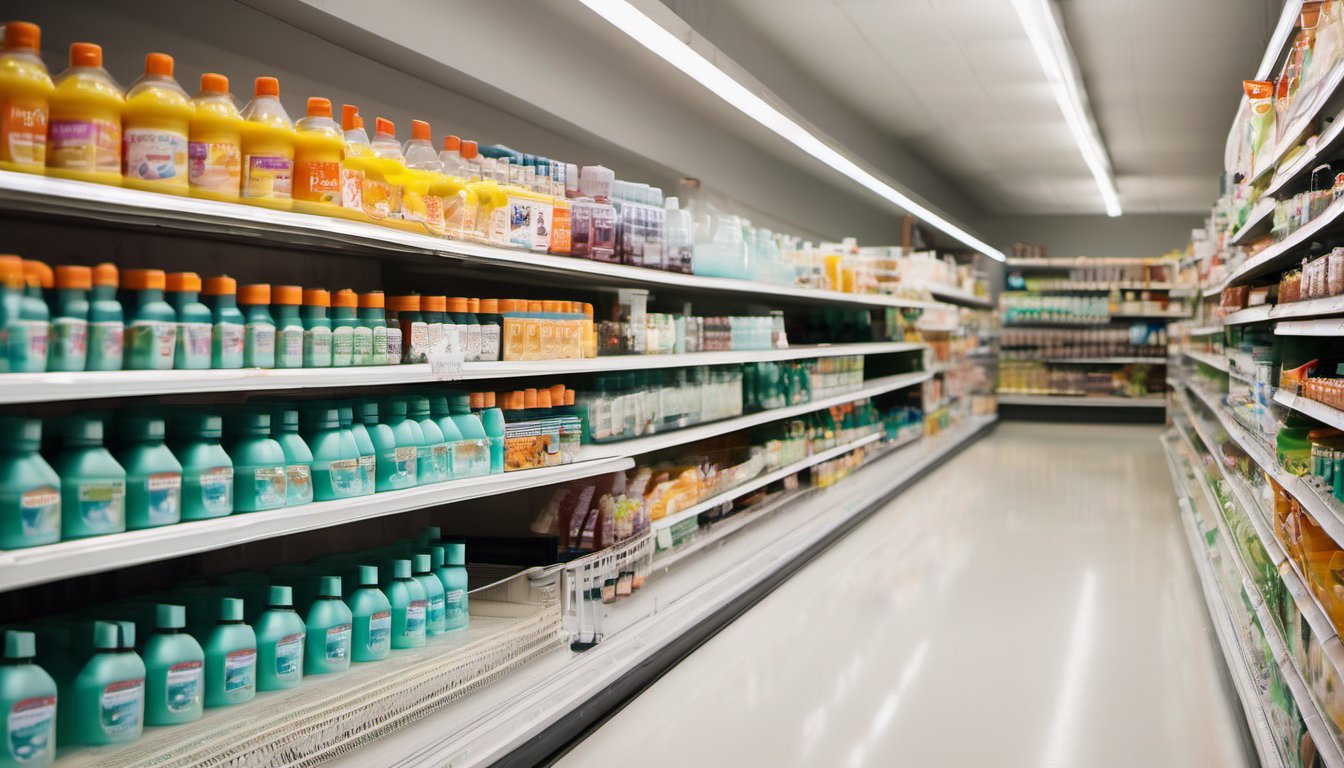
A US importer had a range of household cleaning sprays and one clear ambition: sell them through American supermarkets, not only online. The formulations existed; the compliance, packaging, documentation and route to the shelf did not. This is how the range was rebuilt for US retail and shipped as a first order.
- 2014buying in Yiwu since
- 7offices worldwide
- 2,500+containers shipped in 2023
- 09285183Neshat Trade Ltd, company no.
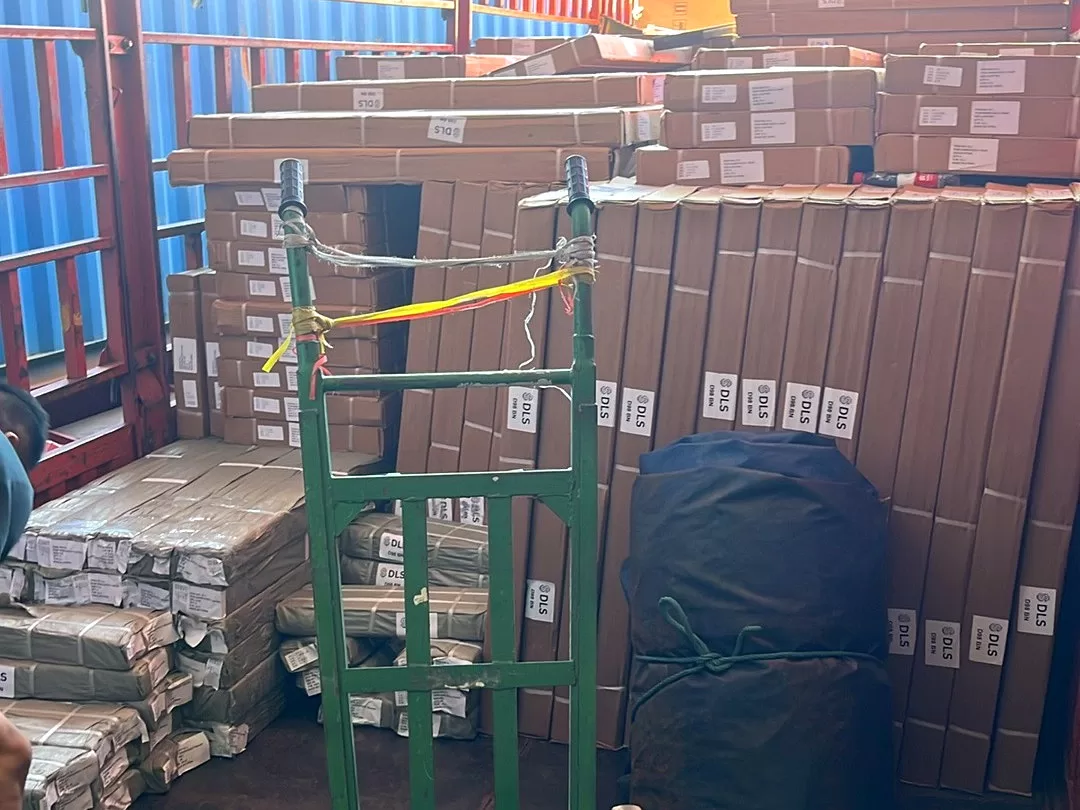
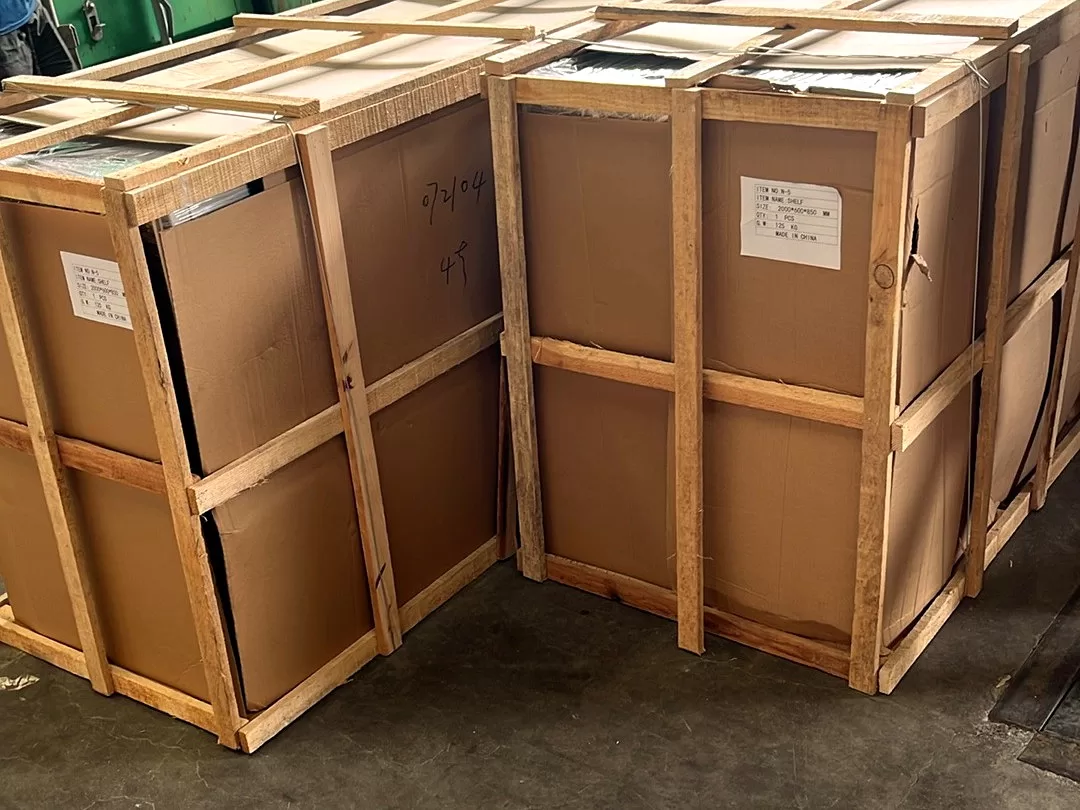
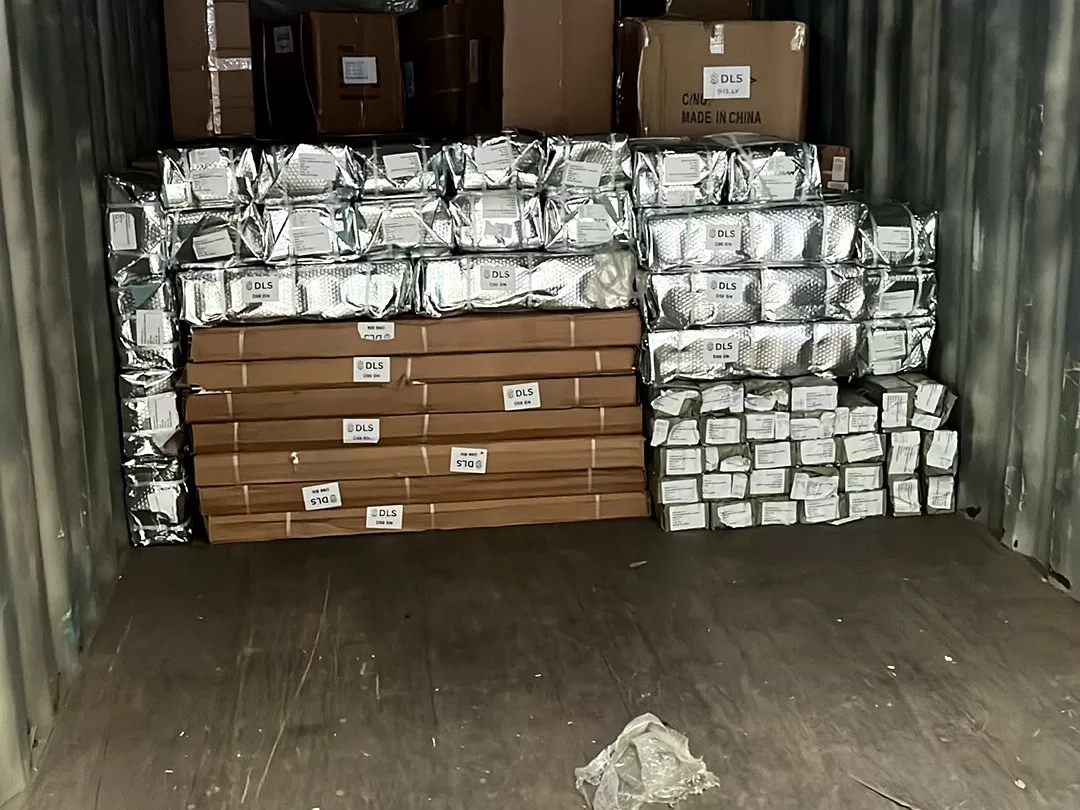
Loading at the Yiwu warehouse: wooden crates, consolidated and closed before the container leaves.
The brief
Eleven SKUs and no route to the shelf
The buyer arrived with a catalogue of cleaning sprays and a handful of accessory items, sourced from two Chinese manufacturers, aimed at a channel that punishes every weak link: the US supermarket. Nothing on the list was unsellable. Almost nothing on it was retail-ready.
The format was wrong for the market
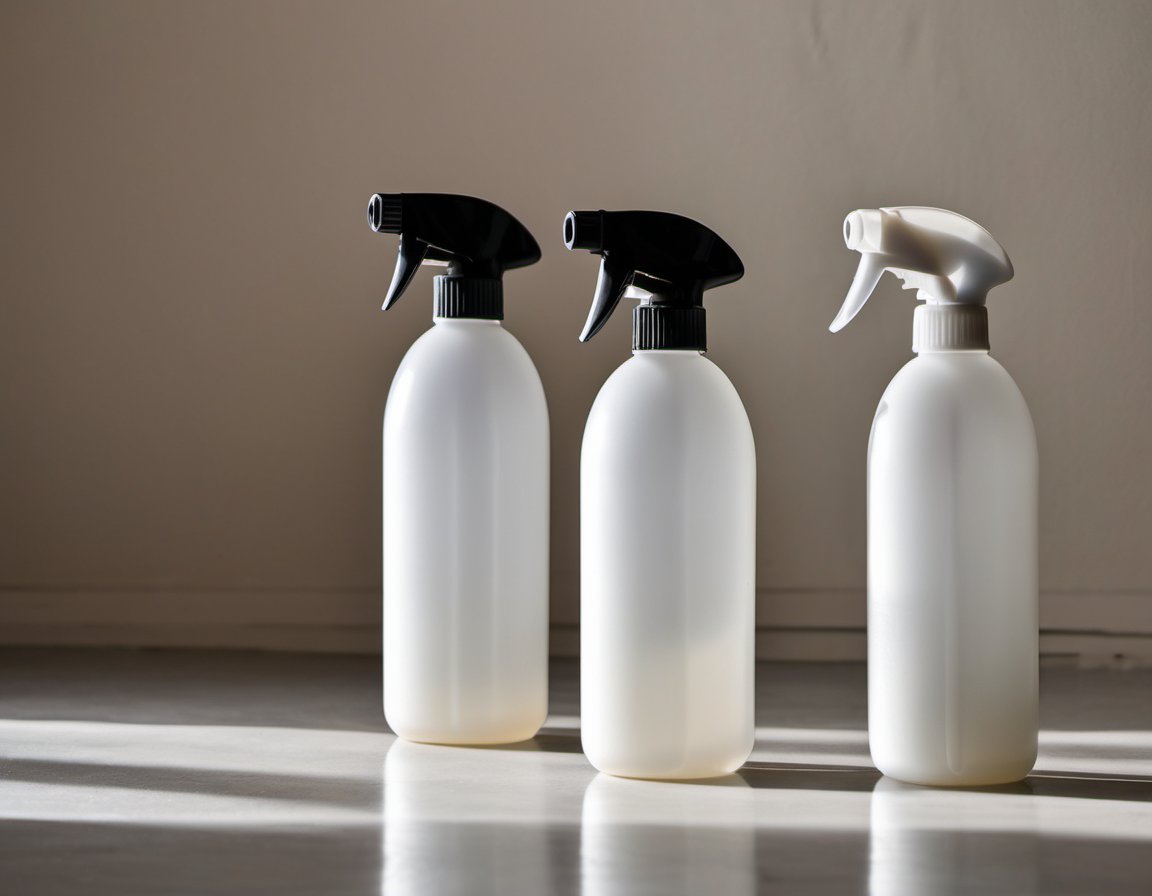
Every product was supplied in the same small bottle. US supermarket shoppers buy cleaning sprays in larger trigger-spray formats, so the whole line needed re-specifying before it could sit on a shelf.
Rules that catch imported chemicals
Household cleaners sold in the US are checked against federal consumer-product safety labelling for hazardous substances, state limits on volatile organic compounds, and a California law that requires full ingredient disclosure. None of it had been treated as a project.
A claim line that would have triggered registration
Part of the range was described with wording that, in the US, turns a cleaning product into a regulated pesticide and forces a lengthy federal registration. That had to change before anything was printed, not after.
One SKU was dangerous goods
A granular drain product built on caustic soda is corrosive, falls under dangerous-goods sea-freight rules, needs certified packaging, and is refused outright by some carriers.
Eleven SKUs, three brands, two factories
A supermarket buys a coherent range, not a pile of unrelated products. With three brands and two suppliers there was no line to present and no single set of documents behind it.
The retail gate
Barcodes, compliant retail labels, safety data, product-liability cover, promotional terms and duty exposure on goods from China all had to be in place before a buyer would discuss shelf space at all.
What we did
Seven workstreams, run in parallel
Each one removed a reason the range could not be sold. None of them was optional for a supermarket buyer.
Range review and re-specification
We reduced eleven SKUs to a focused launch range of the functions US supermarkets actually turn over, cut products that competed with each other on the same shelf, and re-drew the bottle sizes around the larger trigger-spray formats the channel expects — a main size plus a secondary one.
Supplier consolidation
The launch range was consolidated under one manufacturer — a single brand, one bottle type and one set of compliance documents — after we checked licences, export rights and existing test reports. The second factory was held in reserve for a later category.
Formulation and claim review
Working with the factory we adjusted the formulations for volatile organic compounds and pH so the range stayed clear of the rules that force specialist packaging, and rewrote every claim: anything reading as sanitising or disinfecting was removed, while the cleaning and degreasing claims were kept and substantiated.
Labelling and ingredient disclosure
We built US retail labels carrying the required signal words, hazard and first-aid statements, net contents and supplier details, and set up an online ingredient-disclosure page to meet California’s transparency law — then treated that page as a selling point rather than a compliance chore.
The compliance and document pack
Safety data sheets, third-party test reports, barcodes, certificates and origin paperwork were assembled and checked before the goods sailed, so questions from customs or the consumer-safety regulator were answered ahead of arrival rather than at the port.
Freight, consolidation and terms
We compared a shortlist of forwarders on route, reliability and all-in cost, then split the shipment: ordinary sprays in one full container, the restricted item through a separate groupage movement. Terms were agreed door-to-port so the buyer worked from a single landed figure.
Inspection and release
Goods were checked during production and again before shipment against the sample the buyer had approved, with photographs and a written report at each stage. The containers were released only once the checks passed.
How it came together
In order, and not one step skipped
- Scope and shortlistWe agreed which SKUs launch now and which wait, locked the target sizes, and fixed the rules for what the products may and may not claim.
- Supplier, sample and formulationOne factory was appointed, the formulations adjusted, and approved samples held as the reference for everything that followed.
- Labels and disclosure readyUS retail labels and the online ingredient page were finalised before the first production run, so nothing had to be reprinted.
- Documentation completedSafety data sheets, test reports, barcodes and the paperwork the destination demands were finished and filed before sailing.
- Inspection and consolidationThe buyer’s approved standard was checked on the line and again before the doors closed; passing goods moved into the shipping plan.
- Two shipments, one delivery windowOrdinary sprays travelled as a full container and the restricted item on its own, both timed to the supermarket date rather than to the cheapest sailing.
What the buyer got
A range that could be presented, and a route that repeats
The buyer ended up with something that could be put in front of a supermarket or a distributor without apology: a coherent launch range from a single manufacturer, retail-compliant labels and public ingredient disclosure, a document pack that cleared the first shipments without a container held at the border, and a freight route that has since been repeated for replenishment orders. For a retail customer that repeatability matters as much as the launch — supermarket orders live or die on whether the second shipment lands like the first.
The method behind it is not specific to cleaning products. For any regulated consumer category we run the same sequence: test the range against the destination market before anything is ordered, qualify and consolidate the supplier, lock formulation, claims and labels, assemble the compliance pack, then plan freight and inspection around the buyer’s delivery date. What changes between projects is the rulebook, not the discipline.
Common questions
Questions this project raises
Can you take a cleaning product into the US market?
Yes, provided the range is set up for it before production. That means the right bottle formats, labels that satisfy US hazardous-substance rules, claims that do not pull the product into federal pesticide registration, and an ingredient-disclosure page for the states that require one. We map those requirements with the buyer at the start rather than discovering them at the port.
Why was the first order split into two shipments?
One item in the range is classed as dangerous goods because of its caustic formula. It cannot travel casually with ordinary sprays: it needs certified packaging, a dangerous-goods declaration and a carrier willing to accept it, and it costs far more to move. Keeping the general cargo in a full container and sending the restricted item separately kept both the cost and the arrival date under control.
How are you paid on a project like this?
A flat commission agreed in writing before we begin and calculated per order — nothing buried inside the factory price. Freight, testing and third-party costs are shown to the buyer at cost. The same arrangement covers sourcing, inspection, consolidation and documentation on every order.
Planning a first order into a regulated market?
Send us the product, the destination and the deadline. We will tell you what your market requires and how we would get it there.